From Pontefract to Penzance: Britain's Secret Sweet Map and the Regional Treats You've Never Tried
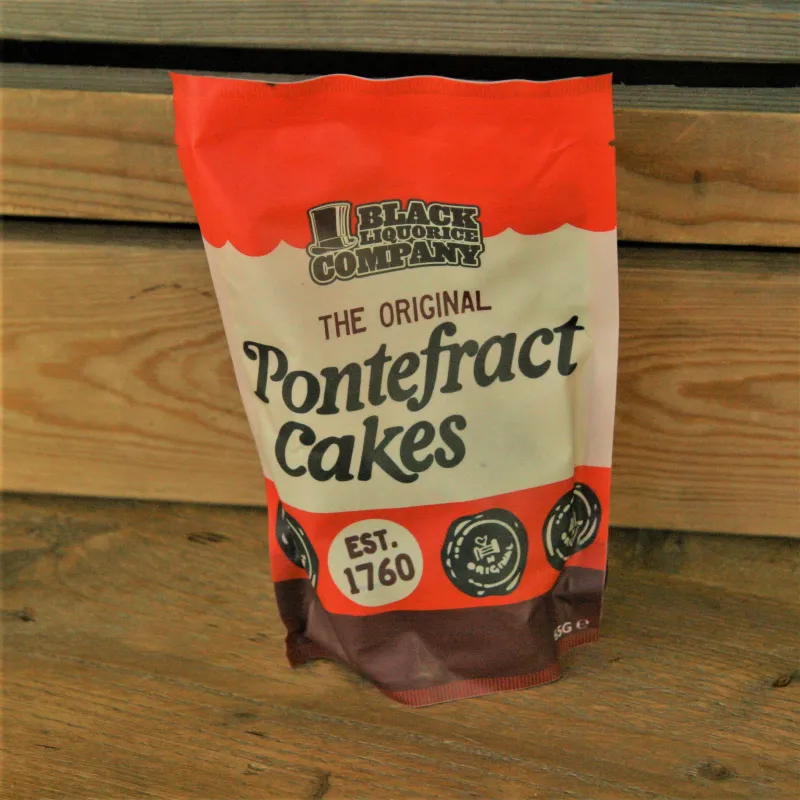
Photo: traditional British regional sweets assortment Pontefract cakes fudge sweet shop, via pottersconfectioners.co.uk
Ask someone from Yorkshire what the greatest British sweet is, and there's a reasonable chance they'll say Pontefract cake without blinking. Ask someone from Cornwall the same question, and you might get a blank stare followed by a very passionate defence of clotted cream fudge. These are not the same conversation — and the gap between them tells you something rather fascinating about how this country thinks about what it eats.
We talk a lot about British confectionery as though it's one unified thing. But spend any time actually travelling the country with an eye on what's in the local sweet shops, and you quickly realise that Britain's confectionery map is as varied and stubbornly individual as its accents. Regional sweets aren't just local curiosities — they're edible geography, shaped by history, trade, migration, and the particular stubbornness of communities that decided their way of doing things was simply the right one.
The Yorkshire Liquorice Belt
Let's start in Pontefract, because it's impossible not to. The West Yorkshire market town has been producing liquorice since at least the 17th century, when monks first cultivated the root in the region's unusually deep, moisture-retentive soil. The Pontefract cake — that small, flat, coin-shaped disc of dark liquorice — is one of the most distinctive regional sweets in Britain, and yet plenty of people south of Sheffield have never encountered one in its proper form.
The liquorice tradition runs deep here. Pontefract hosts an annual liquorice festival. Local producers guard their recipes carefully. And there's a particular pride in the product that goes well beyond simple confectionery loyalty — it's civic identity, pressed into a small black disc.
What's remarkable is how localised this remains. Liquorice allsorts have gone national. Liquorice torpedoes turn up in sweet shops across the country. But the Pontefract cake, in its authentic form, still feels like something you need to travel for — which is part of what makes it special.
The West Country's Cream and Sugar Obsession
Head south and west, and the sweet landscape shifts dramatically. The West Country — Devon and Cornwall in particular — has a relationship with dairy that shapes everything, including its confectionery. Clotted cream fudge is the obvious standard-bearer: richer, denser, and considerably more indulgent than the vanilla fudge you might find in a seaside shop in Scarborough.
But it goes deeper than fudge. Cornish confectioners have long worked with saffron — a spice with strong local roots, brought to Cornwall by Phoenician traders centuries ago — and you'll still find saffron incorporated into sweet and baked goods across the region in ways that feel entirely foreign to most of the rest of Britain.
There's also the question of clotted cream toffee, honeycomb made with local heather honey, and various other dairy-led confections that reflect the agricultural character of the landscape. These aren't sweets you'll easily find in London — and that, arguably, is precisely the point.
Scotland's Sweet Tooth (and It's a Distinct One)
Scotland's confectionery culture deserves its own article — and probably its own book. The Scottish tablet is perhaps the most famous example: similar to fudge in theory, but grainier, harder, and dramatically sweeter in practice. It is an acquired taste for the uninitiated and a genuine source of homesickness for Scots who've moved south.
Then there are Soor Plooms — those intensely sharp, green boiled sweets that have been made in the Scottish Borders since at least the 19th century. The name translates roughly as 'sour plums', and they deliver on the promise with considerable enthusiasm. Edinburgh rock, meanwhile, is nothing like the seaside rock you'd buy in Brighton or Blackpool — it's softer, crumblier, and comes in pale pastel shades that look almost delicate.
Scottish confectionery has also been shaped by the country's distinct trade history, including strong connections to the sugar trade that came through Glasgow's industrial past. The result is a sweet culture that's recognisably British but with its own firmly established character.
The Northern Irish Sweet Cupboard
Cross to Northern Ireland and you encounter another distinct confectionery world. Yellowman — a crunchy, honeycomb-like toffee sold at the Auld Lammas Fair in Ballycastle — is one of the oldest traditional sweets in the British Isles, with roots stretching back centuries. It's chewy, intensely sweet, and almost completely unknown outside the province.
There's also a strong tradition of barley sugar and boiled sweets that reflects the region's agricultural heritage, alongside a deep affection for certain chocolate-covered biscuit products that have become embedded in the local identity in a way that's difficult to explain to outsiders without sounding slightly evangelical about it.
Why Regional Sweets Still Matter
In an age of Amazon deliveries and national supermarket chains, it would be easy to assume that regional food identity is fading — that you can get anything anywhere now, and the idea of a sweet that belongs to a particular place is a romantic fiction. But that's not quite what's happening.
If anything, there's a renewed interest in the specifically local. People are seeking out regional producers, asking questions about provenance, wanting to know the story behind what they're eating. A box of proper Pontefract cakes sent as a gift from someone who grew up in Yorkshire carries a meaning that a generic sweet selection simply doesn't.
For anyone building a gift for someone who loves British confectionery — or exploring the country's sweet culture for the first time — regional sweets offer something genuinely exciting: the chance to taste a place as much as a flavour. A tin of Scottish tablet, a bag of Cornish clotted cream fudge, a handful of Soor Plooms from the Borders — these aren't just sweets. They're small, edible windows into the communities that made them.
Your Regional Sweet Shop Starter Kit
Not sure where to begin? Here are a few regional sweets worth seeking out, wherever you happen to be:
- Pontefract cakes — Yorkshire's liquorice legacy, best bought from a specialist rather than a supermarket
- Clotted cream fudge — look for versions made with genuine Cornish or Devon dairy
- Scottish tablet — denser and sweeter than fudge; absolutely not the same thing
- Yellowman — if you can get to the Auld Lammas Fair, go. If not, seek out Northern Irish specialist producers
- Edinburgh rock — pastel, crumbly, and nothing like what you'd expect from the name
- Soor Plooms — for those who like their sweets to fight back a little
Britain's sweet map is bigger and stranger and more interesting than most of us ever realise. The best way to explore it is one quarter-bag at a time.