Sugar and Cobblestones: The Sweet Shops of London's West End That Keep Drawing the World In
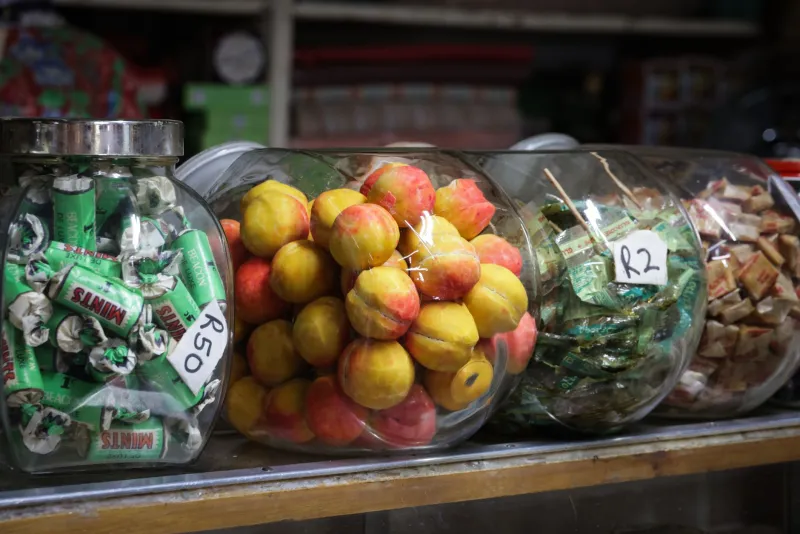
There's a particular kind of magic that happens when you turn off the roar of Piccadilly Circus and duck into one of the quieter arcades or side streets nearby. The noise drops. The pace slows. And if you find yourself in front of a proper old sweet shop — the kind with jars stacked floor to ceiling and a scoop resting on the counter — something else happens entirely. Time, just for a moment, goes a bit wobbly.
For generations of Londoners, the area around Piccadilly has been synonymous with the very best of British confectionery. Hatchard's has its books, Fortnum & Mason has its hampers, and tucked in between the grand facades and the tourist-thronged pavements, there are sweet shops and confectionery counters that have been quietly doing their thing for longer than most of us have been alive. They don't shout about it. They don't need to.
Why Piccadilly, of All Places?
It's worth pausing to ask the obvious question: how did this particular stretch of London become so closely associated with sweets and confectionery in the first place?
The short answer is money and footfall. By the Victorian era, Piccadilly was already one of the most fashionable addresses in the city. The great department stores, the gentlemen's clubs, the theatres of the West End — they all drew crowds, and crowds need feeding, entertaining, and treating. Confectioners followed the money, as they always have, and once a few established themselves here, the reputation built on itself.
The longer answer involves the arcades. The Burlington Arcade, opened in 1819, was one of the first covered shopping streets in Britain, and it set a template for the kind of refined, unhurried retail experience that suited luxury confectionery perfectly. You didn't rush through Burlington Arcade. You browsed. You considered. You spent a little more than you planned to, and you left feeling rather pleased about it.
That atmosphere — unhurried, a little indulgent, unapologetically old-fashioned — is precisely what the best sweet shops in this part of London still trade on today.
The Shopkeepers Who've Seen It All
Spend an afternoon talking to the people behind the counters around here, and you start to notice a pattern. Almost every long-standing shopkeeper has a version of the same story: the customer who's been coming in for forty years, the family who makes a pilgrimage every Christmas, the tourist who tracked them down after reading about them in a guidebook from 1987.
One confectioner, whose family has run their shop for three generations, describes a Japanese couple who visit every time they're in London — which, until recently, was twice a year. "They always buy the same things," she says. "Clotted cream fudge, a tin of Quality Street for the flight home, and a quarter of pear drops. Every single time. I started keeping a note so I could have it ready."
This kind of loyalty isn't unusual. What's striking is how often the draw isn't novelty — it's constancy. People come back because they know exactly what they're going to find. The pear drops will taste the same. The fudge will be cut the same way. The jars will be in the same order on the same shelves. In a city that reinvents itself every five minutes, that kind of reliability is its own form of luxury.
What's Actually Survived
Not everything has, of course. The West End has chewed through plenty of independent retailers over the decades, and confectionery hasn't been immune. Rents in this part of London are eyewatering, and the economics of selling quarter-bags of bonbons don't always stack up against the economics of selling trainers or phone cases.
The shops that have endured tend to share a few characteristics. They've diversified — gift hampers, seasonal collections, bespoke corporate orders — without losing the thing that made them worth visiting in the first place. They've embraced the idea that their product isn't just confectionery, it's an experience. And crucially, they've managed to appeal simultaneously to the nostalgic Brit who wants the sweets of their childhood and the international visitor who wants a genuinely British souvenir that isn't a Union Jack tea towel.
That last point matters more than it might seem. Wander around the sweet shops near Piccadilly on any given afternoon and you'll hear as much French, German, American, and Mandarin as you will English. These aren't just local institutions — they're on the international tourist map, and have been for years. The combination of heritage, quality, and sheer visual appeal (a well-stocked sweet shop is genuinely beautiful) makes them irresistible to visitors looking for something authentic to take home.
The Digital Age Hasn't Killed It — It's Changed It
You might expect the internet to have hollowed out the appeal of making a physical journey to buy sweets. Why trek across London when you can order the same things online and have them delivered by Thursday? It's a reasonable question, and the honest answer is: the trek is part of the point.
Several shopkeepers around Piccadilly have noticed that social media, far from undermining their footfall, has actively driven it. A well-composed photograph of floor-to-ceiling sweet jars travels extraordinarily well on Instagram. TikTok videos of old-fashioned sweets being weighed and bagged have racked up millions of views, sending curious younger customers in search of the real thing. The physical experience — the smell, the sound of a metal scoop, the slight ceremony of choosing your quarter — is precisely what a screen can't replicate, and people know it.
"We get a lot of people who've seen us online," admits one shopkeeper. "They come in, they look around, and then they just stand there for a minute. Taking it in. That's the moment I love. They weren't expecting it to feel like this."
Why the Pilgrimage Still Makes Sense
There's a word that keeps coming up when people talk about visiting these shops: pilgrimage. It sounds grandiose for a trip to buy sweets, but it captures something real. There's an intentionality to it. You don't stumble into a proper old confectioner's by accident — you seek it out, you make a bit of an occasion of it, and you leave with something that feels genuinely worth having.
For Brits, these shops are a connection to a version of the country that still exists but is getting harder to find. For international visitors, they're a window into something that feels irreducibly, specifically British — not the Britain of tourist clichés, but the Britain of corner-shop jars and handwritten labels and sweets with names that make no obvious sense until you've eaten fifty of them.
The streets around Piccadilly have changed enormously over the past century. The sweet shops that have stayed have done so by understanding something that the chain retailers keep forgetting: some things are worth keeping exactly as they are.
We'd like to think we understand that rather well.