Gather Round the Sweet Dish: Your Complete Guide to Hosting a British Confectionery Tasting Night
There's something wonderfully unpretentious about British sweets. They don't need a sommelier or a tasting note printed on fine card. And yet, when you lay out a proper spread — a row of little dishes, a considered selection, maybe a pot of tea steaming gently in the corner — the whole thing takes on a charm that's hard to beat. It becomes an event.
A British confectionery tasting night is exactly the sort of gathering that sounds daft until you're two hours in, arguing passionately about whether pear drops or cola bottles deserve top billing, and everyone's grinning like they're eight years old again. The trick is in the preparation. Get it right and you've got an evening people will talk about for months.
Here's how to do it properly.
Start With Your Selection: Think Like a Sweet Shop
The foundation of any good tasting night is a well-chosen range of sweets. The instinct is to grab everything you love, but resist it. What you're after is variety — something that tells a story about the breadth of British confectionery.
Think in categories. You want at least one representative from each of the major flavour families:
- Fruit and sharp — rhubarb and custards, pear drops, lemon sherbets
- Aniseed and herbal — liquorice allsorts, aniseed balls, mint imperials
- Creamy and mellow — fudge, butterscotch, clotted cream toffees
- Chewy and nostalgic — cola bottles, wine gums, jelly babies
- Intensely boiled — barley sugar, humbugs, acid drops
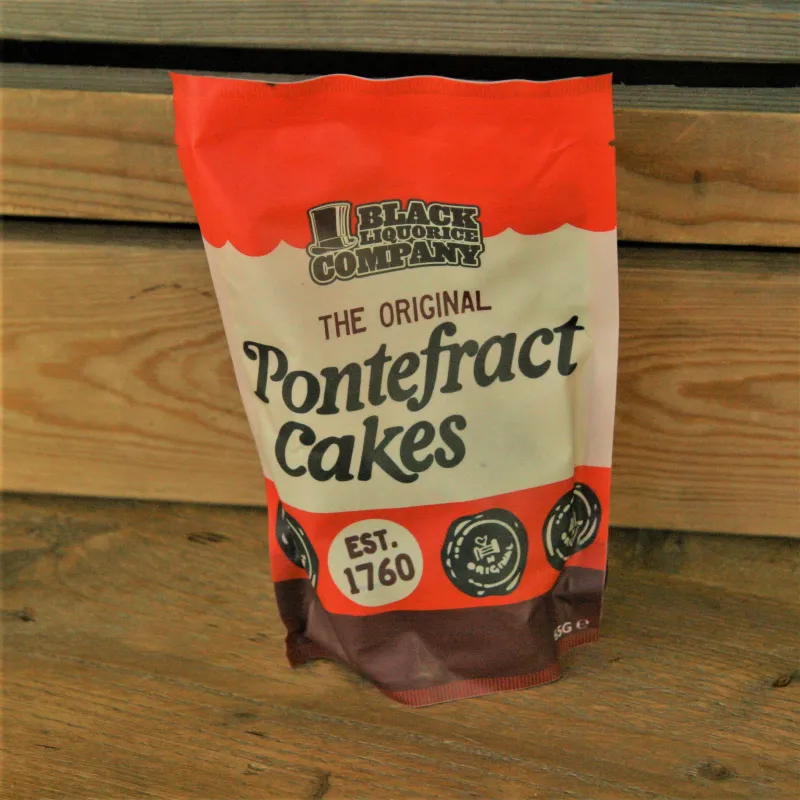
Aim for eight to twelve different sweets in total. Any fewer and the tasting feels thin; any more and palates start to blur. A selection from a traditional confectioner — ideally one with roots in the kind of British sweet-making that predates the supermarket era — will give your guests something genuinely interesting to work with.
Arrange by Flavour Profile, Not by Colour
This is where most amateur hosts go wrong. Arranging sweets by colour looks lovely in a photograph but creates chaos on the palate. You want your guests moving through the selection in a logical order — lightest and most delicate first, building towards the boldest and most intense.
A good rule of thumb: start with the fruit-forward sweets, which tend to be bright and approachable. Move through the creamy middle ground — fudges and toffees — before arriving at the aniseed and herbal end of the spectrum, which can be polarising but always sparks conversation. Finish with something sharp or fizzy to cleanse the palate and send people off on a high.
Label each dish with a small card. Keep it simple — just the name and perhaps one or two words about what to expect. It adds a touch of occasion without tipping into pretension.
Pairing: The Bit That Surprises Everyone
British sweets and tea is an obvious pairing, but it's worth thinking about it more carefully than just putting the kettle on. Different sweets genuinely sing alongside different brews.
A strong Assam or Yorkshire Tea stands up beautifully against rich, buttery toffees — the tannins cut through the sweetness and reset the palate. Lighter, more floral teas like Darjeeling work well with fruit-flavoured sweets, where the delicacy of the tea complements rather than overwhelms. If you've got any guests who prefer coffee, a good espresso alongside a piece of dark liquorice is genuinely worth trying — it's a combination that tends to convert even the most committed liquorice sceptics.
For those who'd rather something cold, traditional British cordials — elderflower, blackcurrant, ginger — make excellent companions and keep the whole thing feeling properly British.
Setting the Scene: Atmosphere Matters More Than You Think
You don't need to transform your living room into a Victorian sweet emporium, but a little thought goes a long way. The goal is warmth and nostalgia — the feeling of stepping into a proper old-fashioned sweet shop where everything is measured out by the quarter and the jars go all the way up to the ceiling.
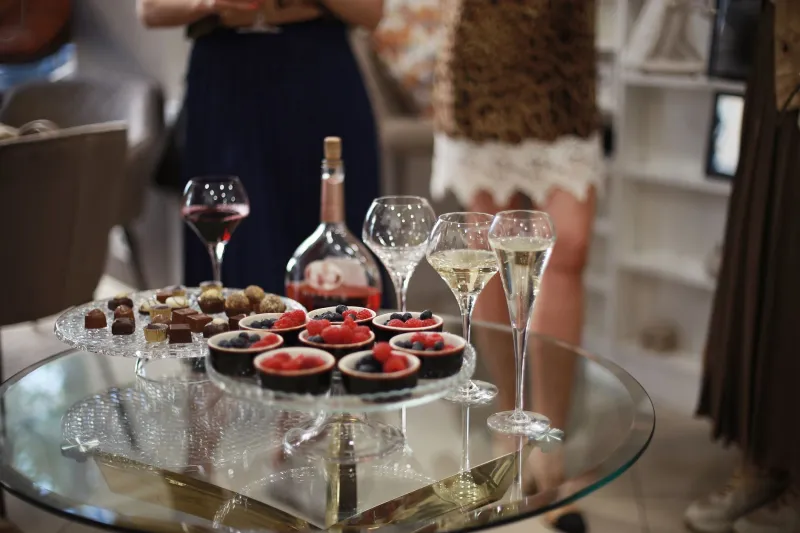
Glass dishes and small ceramic bowls are better than paper cups. Warm lighting — lamps rather than overhead lights — softens everything and makes the colours of the sweets look genuinely beautiful. If you've got any old tins, vintage sweet jars, or even just a wooden tray, use them. A hand-written menu or a chalkboard listing the selection adds the kind of detail that guests notice and appreciate.
Music is optional but can be lovely — something British and unobtrusive. Think early Beatles, classic Motown that found its home on British dance floors, or even a quietly playing BBC radio drama if you're feeling theatrical about it.
Tasting Cards: Turn It Into a Proper Event
If you want to take things up a notch, print simple tasting cards for each guest. A grid with space to note down first impressions, texture, intensity, and a personal rating turns a pleasant evening into something genuinely memorable. It also generates brilliant conversation — there's nothing quite like discovering that your partner rates rhubarb and custards a two out of ten when you've always considered them a national treasure.
You can add a small competition element if your group enjoys that sort of thing: a blind tasting round where guests try to identify sweets with their eyes closed. It sounds simple but is surprisingly tricky, and it tends to produce a lot of laughter.
The Guest List and the Gift Bag
A tasting night works best with somewhere between six and twelve guests — enough to generate lively debate, not so many that it becomes unwieldy. Mix ages if you can. Older guests often bring genuine memories attached to specific sweets, which adds a layer of storytelling that younger guests tend to find unexpectedly moving.
Send everyone home with a small bag of their favourite sweets from the evening. It's the kind of gesture that costs very little but leaves a lasting impression — a proper send-off that echoes the old tradition of the corner sweet shop, where you always left with something in your hand and a smile you couldn't quite explain.
Why It Works
At its heart, a British sweet tasting night works because it connects people to something real. These sweets carry history — decades of craft, regional tradition, and shared memory. When you arrange them carefully, pair them thoughtfully, and invite people to pay attention, you're not just having a party. You're celebrating something.
And honestly? That's exactly what the best sweet shops have always done.