Dressed to Impress: How the British Sweet Box Became an Art Form in Its Own Right
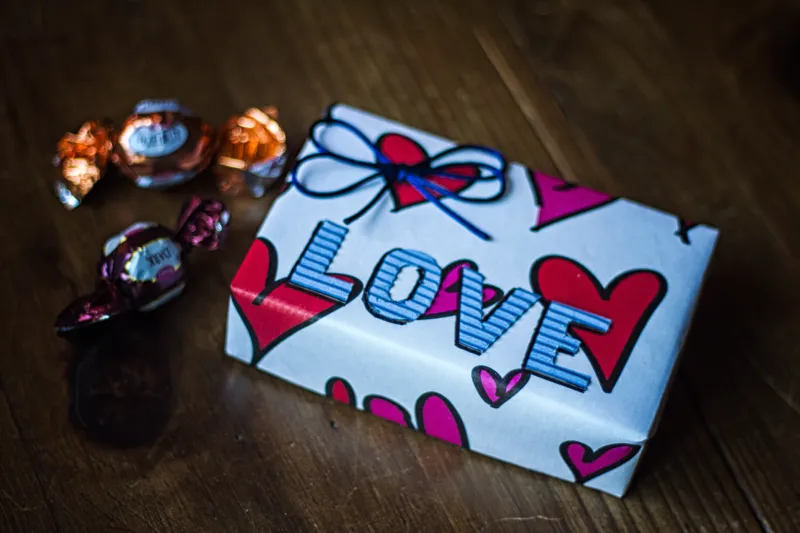
There's a particular kind of magic that happens when someone hands you a tin of sweets. Before you've even lifted the lid, something shifts. The weight of it in your hands, the painted illustration on the front, the satisfying click of a well-made clasp — all of it is doing quiet, persuasive work on your senses. You haven't tasted a thing yet, and already you're charmed.
British confectioners have understood this for well over a century. The sweet itself might be the star, but the packaging has always been the theatre in which it performs.
The Tin That Started Everything
It's hard to overstate what the decorative confectionery tin meant to Victorian and Edwardian Britain. When Huntley & Palmers began commissioning elaborate lithographed biscuit tins in the 1860s, they weren't just solving a practical storage problem — they were inventing a new category of desirable object. Chocolate and sweet makers followed quickly, recognising that a beautifully presented box of confectionery could command a price, and a loyalty, that the sweets alone simply couldn't.
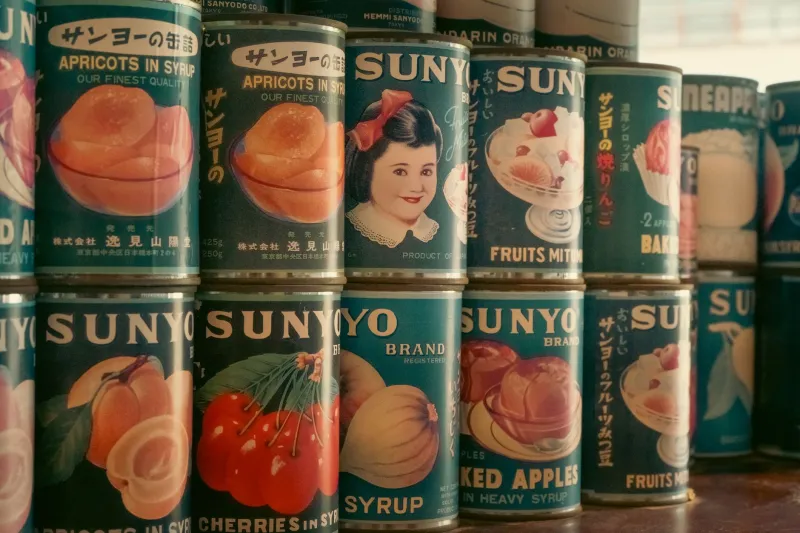
Those early tins were extraordinary things. Scenes of the English countryside, portraits of the royal family, intricate floral borders rendered in six or eight colours — each one was essentially a small piece of printed art, designed to be kept long after the contents were gone. And kept they were. Generations of British families held onto their sweet tins, repurposing them for buttons, letters, sewing kits. The packaging outlived the product by decades.
There's something rather telling about that. It suggests the tin was never just packaging at all. It was the point.
Wrapped in Meaning
Psychologists who study consumer behaviour have a phrase for what's happening when we respond to beautiful packaging: they call it the 'halo effect'. Essentially, we transfer the qualities we perceive in the exterior onto the thing inside. A sweet presented in a handsome box doesn't just look more appealing — it actually tastes better to us, because our brains have already been primed to expect quality.
British confectioners were running this experiment long before anyone had a name for it. The gift box of chocolates tied with grosgrain ribbon. The quarter-pound of pear drops presented in a paper bag stamped with the shop's crest. The Easter egg nestled in shredded tissue inside a painted carton. Each of these choices was deliberate, and each carried meaning beyond mere decoration.
A decorated tin said: this is worth keeping. A ribbon said: this is a gift, not just a purchase. A royal warrant stamped on the lid said: the finest people in the land trust us with their sweet tooth, and so can you.
The Sweet Shop as Stage Set
Walk into a traditional British sweet shop — the kind that still exists on certain high streets, and certainly the kind we try to evoke here at Piccadilly Sweets — and you'll notice the packaging is doing as much work as the sweets themselves. Glass jars arranged in rows like jewels. Cellophane-windowed boxes that let you glimpse the colours inside. Labels that look like they were designed in 1923 and haven't needed updating since.
This isn't nostalgia for its own sake. It's an understanding that the visual and tactile experience of buying sweets is inseparable from the pleasure of eating them. When you carry a paper bag printed with a Piccadilly address out of a sweet shop, you're not just carrying sweets. You're carrying a story about where you've been and what you value.
Modern sweet makers who've thought carefully about this will tell you the same thing. "The packaging is the first conversation we have with a customer," says one London-based confectioner who still uses hand-tied ribbon on their gift boxes. "By the time they open it, they've already decided how they feel about what's inside."
From Cardboard to Canvas
The golden age of British confectionery packaging — roughly spanning the 1880s through to the 1960s — produced some genuinely remarkable design. Rowntree's, Cadbury, Bassett's, Thorntons: all of them invested heavily in illustrated boxes and tins that reflected the visual culture of their era. Art Nouveau flourishes gave way to Art Deco geometry, which softened into the cheerful mid-century illustration style that many of us still associate with childhood.
What's striking, looking back at these designs, is how much storytelling they contained. A box of assorted chocolates might feature a scene from a Victorian parlour, implying continuity and tradition. A tin of travel sweets might show a steam locomotive or an ocean liner, suggesting adventure and modernity. The sweets inside were the same either way — but the box told you what kind of person you were for buying them.
That tradition of packaging-as-narrative hasn't disappeared. It's evolved. Contemporary British sweet makers are increasingly using their boxes and wrappers to tell stories about provenance, craft, and locality. You'll find packaging that references specific British landscapes, that celebrates regional ingredients, that names the person who made the sweets inside. The language is different from the Victorian tin, but the impulse is identical: to make the exterior as meaningful as the interior.
The Gift That Keeps on Giving
There's a reason sweet boxes have always been among Britain's most reliable gifts. They sit at a particular intersection of indulgence and thoughtfulness — generous enough to feel special, personal enough to feel considered. And unlike a bunch of flowers or a bottle of wine, a beautiful sweet box lingers. The tin sits on the mantelpiece. The ribbon gets saved in a drawer. The memory of how it looked when it was handed over stays long after the last humbug is gone.
This is the real genius of great confectionery packaging: it extends the pleasure far beyond the eating. It transforms a bag of sweets into an event, a gesture, a small but genuine act of care.
At Piccadilly Sweets, we think about this a great deal. The sweets we sell carry decades — sometimes centuries — of British craft behind them. It feels right that they should arrive in something that honours that. A box that's worth keeping. A wrapper that tells a story. A tin that someone might hold onto for years, long after the last sweet is gone.
Because in the end, that's what the best British confectionery has always understood: you're not just selling a sweet. You're selling the whole experience of receiving one.