Why 'Piccadilly' Still Means Something When It Comes to British Sweets
A Street That Became a Standard
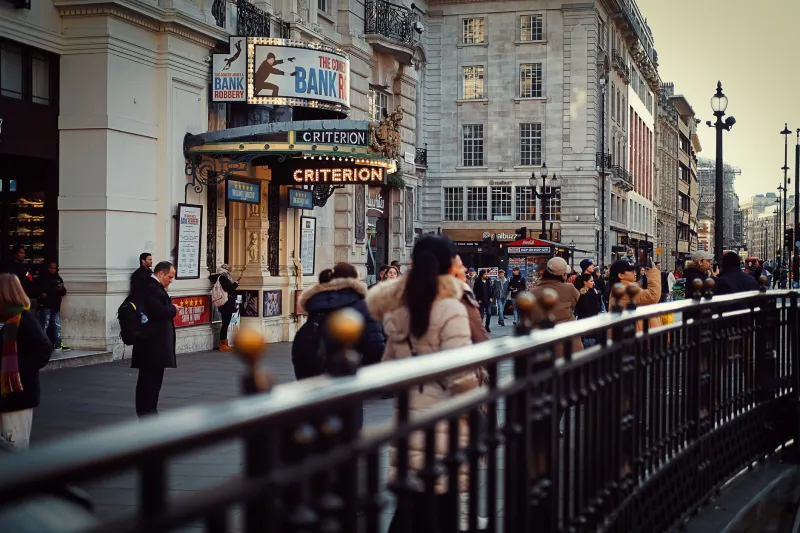
There's a reason certain words do more than just describe a place. Piccadilly is one of them. Ask anyone in Britain what comes to mind and you'll get a mix of answers — the circus, the Ritz, the traffic, the tourists — but for anyone who's ever worked in the confectionery trade, there's another association sitting quietly underneath all of that. Quality. Heritage. A certain seriousness about sweets.
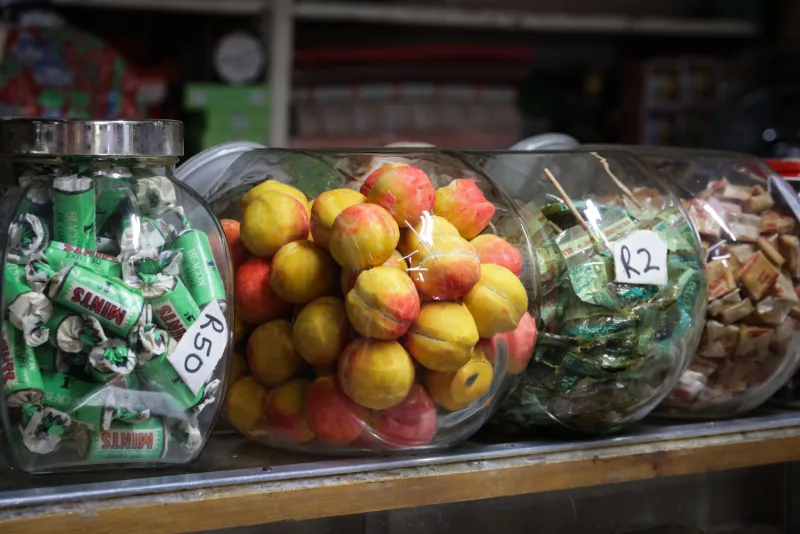
It didn't happen by accident. For well over a century, the streets around Piccadilly were home to some of the finest confectioners Britain has ever produced. These weren't corner shop operations selling penny chews. They were proper establishments — places with polished counters, glass jars, hand-labelled boxes and staff who actually knew what they were talking about. The kind of shops where buying a quarter of something felt like a considered decision rather than an impulse.
That reputation built slowly, and it built well. By the time the twentieth century got going, 'Piccadilly' had become shorthand for a particular kind of confectionery experience — one rooted in craftsmanship, consistency and an almost old-fashioned commitment to doing things properly.
The Geography of Trust
What's interesting is how that association jumped the postcode. Sweet makers in Yorkshire, Devon, Scotland and beyond started invoking the name not because they had any physical connection to the street, but because their customers understood what it implied. It functioned less like a location and more like a quality mark — a way of saying, without quite saying it, that what you were buying had standards behind it.
This is geography working as mythology, which is more common than you might think. Think about how 'Champagne' operates as a concept far beyond the actual region of France, or how 'Savile Row' conjures a whole world of tailoring even when you're nowhere near Mayfair. Piccadilly does something similar for sweets. It evokes a lineage, a tradition, a sense that whoever made this actually cared about what ended up in your mouth.
For consumers, that matters enormously. Especially in a market where so much confectionery is mass-produced, heavily branded and optimised more for shelf life than for flavour. When something reaches for the Piccadilly association — whether through a name, a design reference, a bit of copy on the back of a tin — it's making a promise. It's saying: this isn't that.
What Modern Makers Are Actually Reaching For
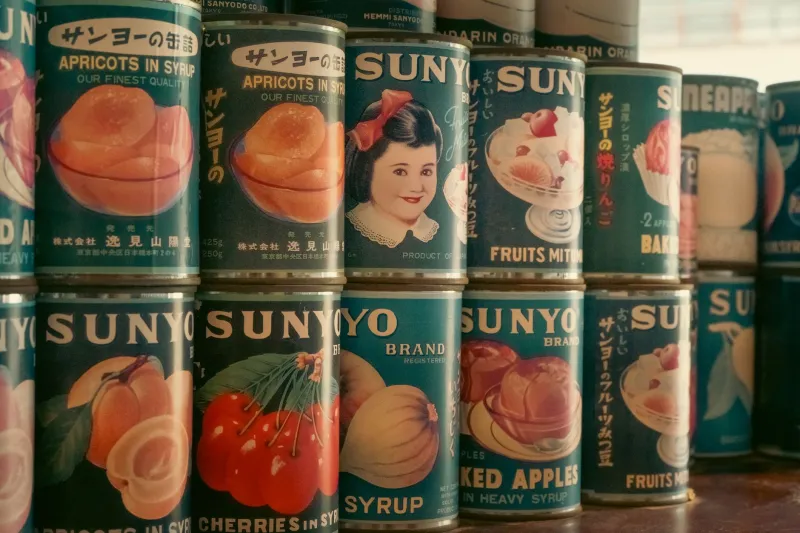
Spend any time looking at the premium end of the British sweets market today and you'll notice how often certain visual and verbal cues repeat themselves. Dark green and gold packaging. Serif typefaces. Language that talks about 'traditional methods' and 'recipes unchanged since' some satisfyingly distant date. Illustrations of Victorian street scenes or Georgian storefronts.
Not all of these are explicitly invoking Piccadilly, but they're drawing from the same well. They're tapping into an image of British confectionery that was, to a significant degree, shaped by what Piccadilly represented at its peak. The high-ceilinged shop. The knowledgeable shopkeeper. The idea that sweets were worth taking seriously.
It's a smart move, commercially speaking, because it works. Consumers respond to that kind of signalling, particularly when they're buying as a gift or treating themselves to something a bit special. The premium sweet market in Britain has grown considerably over the past decade, and a lot of that growth has been driven by exactly this desire — to buy something that feels considered rather than convenient.
The irony, of course, is that some of the best traditional confectionery being made today comes from small producers operating out of industrial units in places that could hardly be further from central London. But the mythology travels. That's the whole point of mythology.
The Weight of Expectation
There's a flip side to all of this, naturally. When you invoke heritage, you take on a responsibility. Customers who buy into the Piccadilly story — whether literally or figuratively — arrive with expectations. They expect the boiled sweets to be properly made. They expect the fudge to have texture and depth rather than just sweetness. They expect the packaging to feel like it was designed by someone who gave it thought rather than someone who gave it five minutes.
Failing to meet those expectations doesn't just lose you a sale. It damages something harder to rebuild — the sense that the story being told is true. And in a market built substantially on trust and nostalgia, that's a serious problem.
This is why the confectioners who genuinely earn the Piccadilly association — whether they use the name or simply embody what it stands for — tend to be obsessive about the details. The temperature of the sugar. The sourcing of the flavourings. The weight of the bag. The way the twist on a wrapper holds. These things aren't incidental. They're the substance behind the story.
Still Relevant, Still Real
What's perhaps most remarkable is that none of this feels dated. In an era when 'authenticity' gets thrown around so carelessly it's almost lost meaning, the Piccadilly association still carries genuine weight — precisely because it's rooted in something real. There were actual shops. There were actual craftspeople. There was an actual standard being set, and people remember it, or inherit the memory of it from parents and grandparents who do.
For us at Piccadilly Sweets, that's not a marketing strategy so much as a starting point. The name isn't something we slapped on because it sounded nice. It's a reminder of what this whole thing is supposed to be about — sweets made with care, sold with honesty, and worth every penny of what you pay for them.
The street itself has changed, as streets do. But the idea of Piccadilly — what it stood for, what it demanded of the people who traded under its reputation — that hasn't gone anywhere. And as long as there are people who care about British confectionery done properly, it probably won't.