Follow Your Nose: The Quiet Science Turning Sweet Shops Into Memory Machines
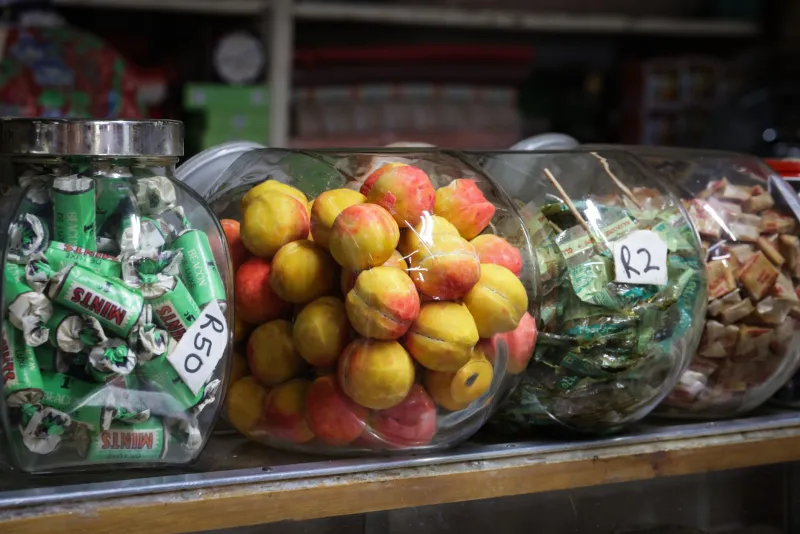
Before you see the jars lined up on the shelves, before you clock the old-fashioned scales or the hand-lettered signs, you smell it. A warm, sugary drift that seems to bypass rational thought entirely and land somewhere much deeper. One moment you're on a busy high street; the next you're somewhere from thirty years ago, small and happy and being asked what you'd like.
This is not coincidence. Increasingly, it's not even entirely natural. The British confectionery trade — from independent sweet shops to heritage brands — is waking up to the extraordinary power of scent, and some of them are doing something quite deliberate about it.
Why Smell Works Differently to Every Other Sense
The neuroscience here is worth understanding, because it explains why the sweet shop effect is so much more powerful than, say, seeing a photograph of a sherbet lemon or reading about one.
Olfactory signals — smells — travel a different route through the brain than information from the other senses. Rather than passing through the thalamus (the brain's relay station), scent goes directly to the limbic system, which governs emotion and memory. The result is that a smell can trigger a memory faster, and with more emotional intensity, than almost any other stimulus.
This is why the smell of pear drops can make a grown adult feel, briefly and viscerally, like a child. It's not sentiment — it's neurological shortcircuiting. The brain retrieves the memory before the conscious mind has time to contextualise the experience.
For confectionery retailers, this is enormously useful information.
Engineering the Smell of Nostalgia
A handful of British sweet shops have begun working with fragrance consultants and retail experience designers to think more carefully about their olfactory environment. The goal isn't to pump in artificial scents (though that does happen elsewhere in retail) — it's to manage and amplify what's already there.
This might mean positioning the boiling or warming operation closer to the shop entrance, so the heat carries the scent outward. It might mean choosing which sweets to display in open containers based partly on their aromatic properties. It might mean ensuring the shop's ventilation doesn't inadvertently scrub away the very thing that draws customers in from the pavement.
"We had someone come in and basically tell us we were wasting our best asset," recalls one London sweet shop owner. "All that beautiful smell, and we had an extractor fan pointed straight at the door. Simple fix, but the difference was noticeable within a week."
Other shops have gone further, commissioning bespoke fragrance blends — combinations of warm sugar, vanilla, and fruit notes — that can be used in subtle diffusers to maintain a consistent scent profile even when the shop is quiet and nothing is actively being made.
The Sweets That Smell the Loudest
Not all confectionery is created equal in olfactory terms. Some sweets punch well above their weight when it comes to scent. Aniseed balls, pear drops, and cola cubes have distinctive aromatic compounds that carry well through air. Fudge and toffee, when warmed, produce complex caramel notes that are almost universally associated with comfort and indulgence.
Sherbet, interestingly, is more of a tactile-flavour memory than a scent one — the fizz happens on the tongue rather than through the nose. But the packaging of classic sherbet products (the dusty yellow of a Sherbet Fountain, the waxy tube of a Dip Dab) carries its own visual nostalgia that works in tandem with the smell of surrounding sweets.
Blackcurrant and liquorice are arguably the most powerful memory triggers in the British sweet canon. Both have strong, distinctive aromatic profiles, and both are associated with products that generations of British children grew up with. Retailers who stock these prominently near the entrance are, consciously or not, deploying some of the most effective scent marketing available to them.
Social Media and the Smell You Can't Share
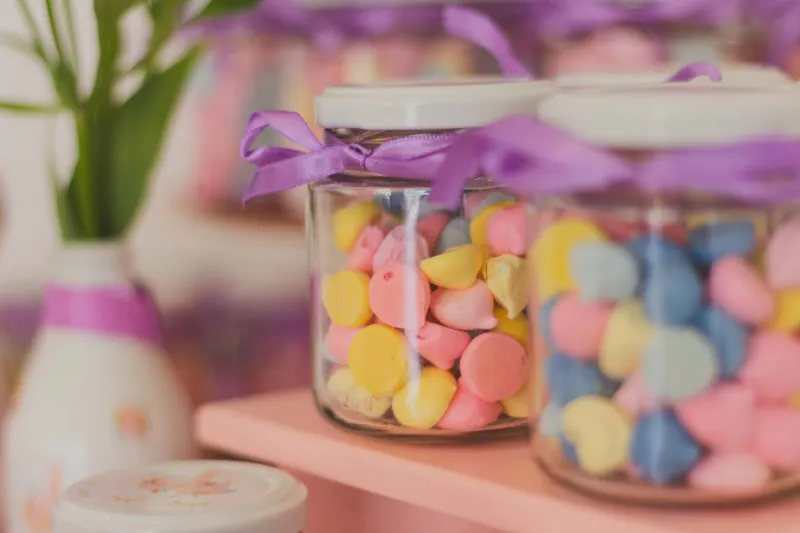
There's an irony at the heart of confectionery's social media moment. Sweets are enormously photogenic — the jewel colours of boiled sweets, the dusty pastels of sugar-coated jellies, the glossy sheen of proper toffee — and sweet shop content performs well on platforms like TikTok and Instagram. But the thing that makes the physical experience so powerful is the one thing a screen can't transmit.
Some brands have tried to work around this by leaning into scent-adjacent content: videos of sweets being made, where the visual cues (bubbling sugar, the pull of toffee, steam rising from copper pans) trigger imagined smell responses in viewers who've experienced the real thing. It's a clever workaround, and it appears to work — these videos consistently generate comments along the lines of "I can almost smell it."
That phrase — I can almost smell it — is perhaps the most telling endorsement a confectionery brand can receive online. It means the scent memory is so strong that a visual alone can partially activate it.
What This Means for the High Street
For independent sweet shops competing with supermarket confectionery aisles and online retailers, the olfactory experience is one of the few genuine advantages they hold. A supermarket cannot smell like a sweet shop. A website cannot smell like anything at all.
This gives the physical, traditional confectionery retailer something genuinely irreplaceable to offer — provided they're thoughtful about protecting and amplifying it. The shops that understand this aren't just selling sweets. They're selling a sensory experience that no algorithm can replicate and no delivery van can carry to your door.
The smell of a proper sweet shop is, in the most literal neurological sense, the smell of happiness remembered. That's worth taking seriously.