Why a Bag of Boiled Sweets Outlasts Every Economic Storm
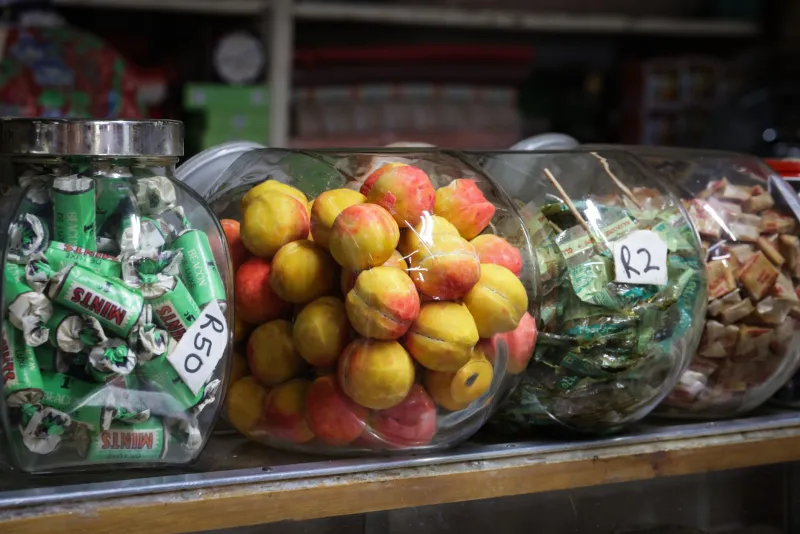
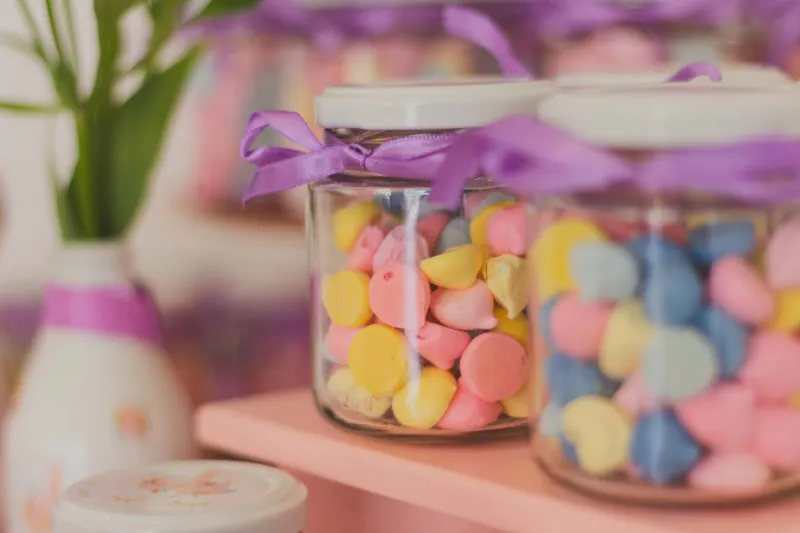
There's a theory in economics that goes something like this: when people can't afford the big luxuries, they reach harder for the small ones. A glass of decent wine. A proper coffee. A paper bag of pear drops from a shop that still uses a scoop. It's called the lipstick effect — though in Britain, it might more accurately be called the sherbet effect.
British confectionery has a remarkable track record of weathering recessions, austerity programmes, and financial shocks that have flattened other consumer categories. While restaurants empty out and clothing retailers issue profit warnings, the sweet shop tends to keep its lights on. Understanding why requires a look at both the economics and the psychology of what we're actually buying when we buy sweets.
The Affordable Indulgence Theory
Spend any time talking to confectionery retailers and you'll hear a version of the same observation. During tough times, footfall doesn't drop — it sometimes increases. People who've stopped treating themselves to weekend breaks or new trainers still want something. A £2.50 bag of rhubarb and custards is a remarkably efficient delivery mechanism for a moment of genuine pleasure.
"We noticed it clearly during the cost-of-living squeeze," says one independent sweet shop owner who's been trading in the north of England for over two decades. "People weren't splashing out, but they weren't cutting sweets either. If anything, they were being more deliberate about it — choosing things they really loved rather than buying on impulse."
This shift from impulse to intention is significant. It suggests that during downturns, sweets aren't simply a cheap substitute for other treats. They become something more considered — a small, reliable act of self-care in an uncertain world.
A History of Riding It Out
This isn't a new phenomenon. British confectioners have navigated some of the country's most turbulent economic periods and emerged, if not unscathed, then at least intact.
During the post-war austerity of the late 1940s, sweet rationing — which lasted until 1953 — created a suppressed demand that exploded the moment restrictions lifted. Queues formed outside sweet shops on derationing day. The industry didn't just survive the lean years; it came out of them with a nation desperate to buy.
The recessions of the 1970s and 1980s tell a similar story. Confectionery manufacturers responded by innovating at the value end — introducing multipacks, smaller portion sizes at lower price points, and promotional packaging that made sweets feel like a deal rather than a splurge. The product didn't change. The framing did.
More recently, the 2008 financial crisis saw traditional pick-and-mix counters and old-fashioned sweet shops enjoy something of a revival, partly driven by nostalgia and partly by the simple economics of affordable pleasure. When people can't spend big, they spend meaningfully.
How Confectioners Adapted Pricing Without Losing Trust
One of the quiet skills of British sweet-making is the ability to manage pricing without alienating a loyal customer base. Confectionery occupies an unusual position in the consumer landscape: people have strong memories attached to specific sweets, and those memories include a rough sense of what the product should cost.
Raise prices too sharply and you risk breaking the emotional contract. But traditional confectioners have generally been adept at absorbing cost pressures through packaging adjustments, reformulation of non-critical elements, and by emphasising the craft and heritage that justifies a modest premium.
"There's a ceiling on what people will pay for a bag of humbugs, but it's higher than you'd think," notes one industry observer. "Because you're not just buying the sweet — you're buying the memory, the ritual, the feeling of being handed something by someone who made it properly. That has value."
The rise of artisan confectionery over the past decade has also expanded the market upwards. Handmade, small-batch sweets presented in beautiful tins or gift boxes have created a premium tier that coexists happily with the value end. This bifurcation — affordable everyday treats alongside considered luxury gifting — has given the industry resilience across different spending moods.
Sweets as Social Currency
There's another dimension that purely economic analysis tends to miss: the social function of sweets. In Britain, sweets are shared. They're offered around offices, pressed into children's hands by grandparents, slipped into birthday cards and hospital bags. This social utility makes them remarkably resistant to budget cuts, because stopping the gesture feels like a more significant sacrifice than the money involved.
During the austerity years of the early 2010s, several confectioners reported that gift-format sweets — tins, presentation bags, retro-branded boxes — held up particularly well. When people couldn't afford a proper present, a beautifully packaged box of traditional sweets did the job with dignity. The gift remained meaningful. The cost came down.
What Economists Make of It
Behavioural economists have a term for goods that hold their value or increase in appeal during downturns: Giffen goods and inferior goods get discussed, but sweets don't quite fit either category. They're perhaps better understood as comfort goods — products whose value is emotional rather than purely functional, and whose modest price point makes them accessible precisely when emotional comfort is most needed.
The broader confectionery market, which includes chocolate and sugar confectionery, consistently outperforms expectations during recessions. British consumers appear to make a clear distinction between luxuries they can sacrifice (foreign holidays, premium electronics) and small rituals they're unwilling to give up.
A bag of sweets from a proper shop — weighed out, wrapped up, carrying the faint smell of sugar and nostalgia — sits firmly in the second category. It's not just a product. It's a small, insistent argument that life still has its pleasures, whatever the headlines say.
And that, it turns out, is a remarkably recession-proof thing to be selling.