Barley Sugar in July, Humbugs by the Sea: The Lost British Sweet Calendar
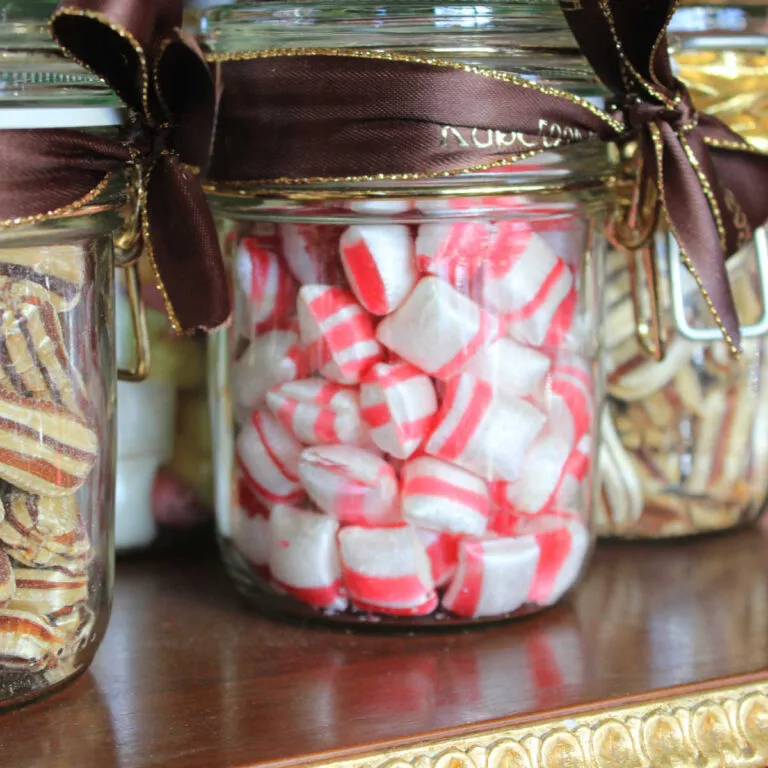
Photo: seaside promenade sweet shop jar of humbugs traditional british, via www.cocoaandheart.co.uk
Ask an older relative what they ate at the seaside as a child and the answer arrives instantly: humbugs. Not 'sweets' — humbugs, specifically, in a paper bag, with the smell of salt in the air.
It wasn't a coincidence. For most of the last two centuries, British sweets followed a calendar as dependable as the harvest, shaped by weather, working patterns and the belief that what you ate should match the season you were in. That calendar has quietly disappeared — and some in the trade think we're poorer for it.
Summer Belonged to the Clear Boils
When the weather warmed, the boiling pans turned to barley sugar, acid drops and fruit clear toys — sweets that survived a hot pocket, refreshed the mouth on a stuffy train journey, and were cheap enough for a day-tripper's budget. Barley sugar in particular was the Victorian traveller's companion, believed to settle the stomach on long coach rides.
The seaside resorts built entire identities on their boiled sweets. Blackpool, Scarborough, Llandudno — every promenade had its rock and its humbugs, and holidaymakers carried them home as edible proof they'd been to the coast.
Winter Was for the Medicinals
As the nights drew in, the shelves changed character. Clove balls, menthol and honey sweets, liquorice and aniseed preparations — the 'medicinals' — took over. These were the confectionery descendants of the apothecary, bought not just for pleasure but for coughs, colds and long dark evenings.
The logic was seasonal and practical: warming spices in winter, cooling fruit in summer, and a general assumption that a sweet could do a bit of good while it was at it.
What the Freezer Aisle Forgot
Modern manufacturing dissolved this rhythm. When sweets can be made in January and sold in October, in any town, at any temperature, there's no need for a calendar at all. Rhubarb and custards in February, clove balls in August — convenient, certainly, but something has been flattened out.
What's lost is the sense of occasion. A sweet you can buy any day is a snack. A sweet that appears only when the season turns is an event — the sweet-shop equivalent of the first brussels sprout of December.
The Comeback Nobody Predicted
There are signs of a return. Craft confectioners have begun advertising seasonal batches — medicinals in the autumn, clear fruit boils through summer — and farmers' market stalls increasingly sell 'this month's boil' rather than a fixed range. Heritage shops report that limited seasonal runs sell out faster than permanent lines, precisely because they can't be had the rest of the year.
It's a small thing, a seasonal sweet. But it reconnects the pantry to the weather outside, the way jam-making and sprout season always have. And next summer, when you unwrap a barley sugar on a hot train and think of a hundred years of travellers doing exactly the same — you'll understand what the calendar was for.