Queuing for Humbugs: How Britain's Heritage Sweet Shops Became a Must-Visit on the Tourist Trail
The Jar in the Window That Stopped a Whole Tour Group
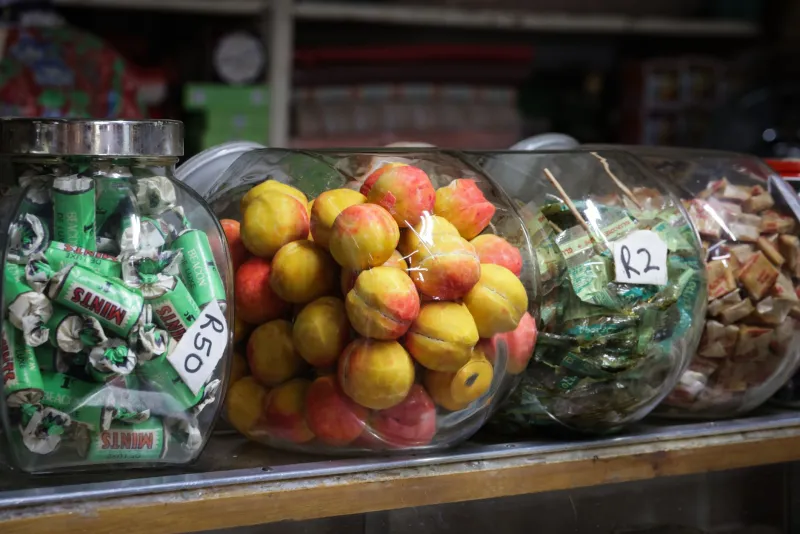
It started, by most accounts, with a photograph. A tourist from South Korea paused outside a sweet shop in York, snapped a picture of the window display — rows of tall glass jars filled with acid drops, cola cubes, and sherbet lemons — and posted it online. Within a week, the shop had forty new visitors who'd specifically sought it out. The owner, who'd been running the place for over two decades, had never seen anything quite like it.
That story isn't unusual anymore. Across Britain, from the cobbled lanes of Chester to the seafront at Whitby, traditional confectionery shops are quietly transforming into something nobody planned: genuine tourist destinations. Not as a marketing gimmick. Not because someone decided to rebrand. Just because the thing they've always done — making and selling proper British sweets the old way — turns out to be exactly what a growing number of visitors are desperate to find.
What Tourists Are Actually Looking For
Ask anyone in the heritage travel sector and they'll tell you the same thing. Visitors, whether domestic or international, are increasingly allergic to the generic. Chain hotels, identikit shopping centres, tourist-trap restaurants serving a version of fish and chips that no local would touch — all of it has started to feel hollow. What people want now is texture. Authenticity. The sense that a place has a story and hasn't been sanded down to suit everyone.
A traditional sweet shop delivers all of that in one go. The ritual of pointing at jars, having sweets weighed out on old-fashioned scales, choosing between a white paper bag and a tin — it's tactile and specific in a way that a supermarket confectionery aisle simply cannot replicate. For visitors from countries where this kind of retail experience disappeared long ago, it's genuinely extraordinary. For British visitors rediscovering it, it carries the particular pleasure of something familiar made vivid again.
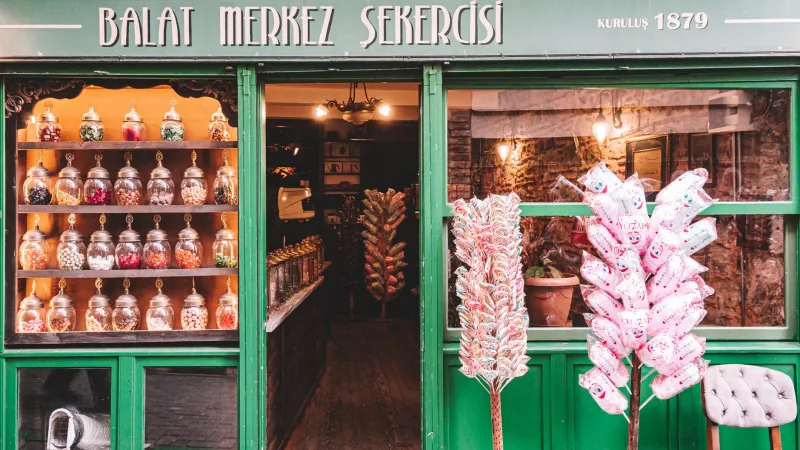
Social media has amplified this considerably. The visual appeal of a well-stocked traditional sweet shop is almost unfairly photogenic. Warm lighting, jewel-coloured sweets, handwritten labels, wooden shelving worn smooth by decades of use — it photographs beautifully and it travels fast. TripAdvisor listings for independent confectioners in tourist-heavy towns have quietly crept upwards, sitting alongside castles and cathedrals with a matter-of-factness that would have seemed absurd ten years ago.
Balancing the Old With the New Wave of Visitors
For shop owners, the surge in footfall is welcome but not without complication. Many of these businesses were built on a quiet, loyal local trade — the Saturday morning regulars, the grandparents bringing grandchildren in for a treat, the office worker who stops in every Friday. That rhythm has a particular feel to it, and there's a genuine concern among some owners that an influx of visitors changes the atmosphere in ways that are hard to pin down but easy to feel.
The smarter operators have found ways to serve both audiences without compromising either. Some have introduced small tasting experiences — a guided tour of the shop's history, a chance to try five or six sweets with a bit of context about where they come from and how they're made. Others have leaned into the storytelling side of things, adding printed cards to their displays explaining the origins of specific sweets or the history of the shop itself. None of it feels forced when it's done well. It just gives visitors something to hold onto beyond the purchase.
There's also the question of stock. International visitors, in particular, tend to want the classics — the sweets they've heard about, seen online, or been told to look for by friends who've visited before. Rhubarb and custards. Pear drops. Aniseed balls. Clotted cream fudge. Shops that might previously have rotated their stock adventurously are finding that a reliable core range of heritage favourites keeps the visiting trade happy without alienating regulars.
The Economic Ripple That Nobody Predicted
The financial impact of this shift is real, even if it's hard to quantify neatly. Independent confectionery shops operate on tight margins. Footfall matters enormously. A steady trickle of visitors who've made a specific journey to find the shop, who spend more per head than a casual local customer, and who often return or send others — that changes the maths in meaningful ways.
Beyond the individual shop, there's a broader effect on the areas surrounding them. A heritage sweet shop that draws visitors also draws people past neighbouring businesses. It contributes to the sense that a particular street or town is worth exploring. Several independent retailers in towns with strong confectionery heritage have noted a measurable uptick in passing trade on the back of visitors who came primarily for the sweets and ended up spending the afternoon.
There's also the gift economy to consider. A significant proportion of visitors buy sweets not just to eat on the spot but to take home as presents — for children, for colleagues, for friends who couldn't make the trip. That transforms the shop from a retailer into something closer to a cultural ambassador, sending little parcels of British confectionery heritage out into the world with every sale.
The Shops That Were Here All Along
Perhaps the most quietly satisfying thing about all of this is that none of these shops changed to become what visitors are now seeking. They just carried on. They kept the jars. They kept the scales. They kept making sweets the same way their predecessors did, because that's how you make them properly and because the people who knew better never saw any reason to stop.
The world, it seems, has finally caught up with them. And if you've never made the trip to a proper British sweet shop — whether you're visiting from abroad or you've simply not been since you were about nine years old — there's never been a better moment to put it on the list.