Pocket Money to Desk Drawer: The Surprising Ways British Sweets Follow Us Through Life
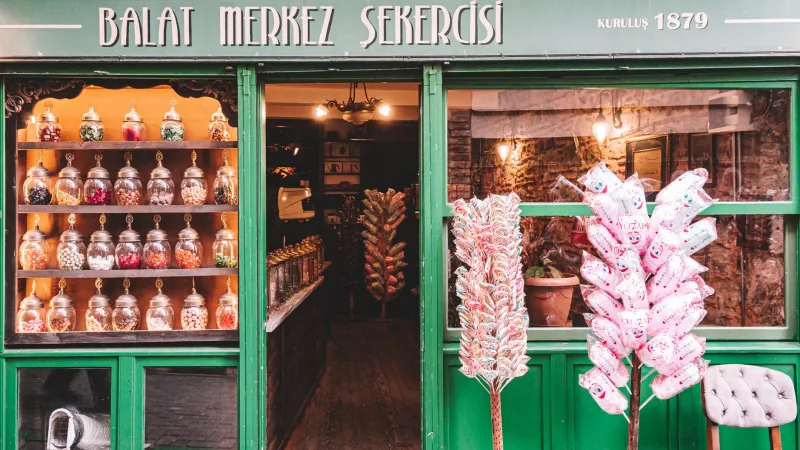
Ask someone to describe their earliest sweet memory and watch what happens to their face. There's almost always a pause — a brief, involuntary softening — before the words come out. The corner shop. The glass jars. The particular ritual of pointing and waiting while the shopkeeper twisted the bag shut. The weight of it in your hand on the walk home.
Sweets are bound up in British childhood in a way that's almost impossible to overstate. But here's the thing: they don't stop there. The relationship we have with confectionery doesn't end when we outgrow our school uniforms. It transforms, quietly and continuously, through every stage of adult life — shaped by memory, circumstance, and the very human need to reach for something sweet when the world gets a bit much.
The Tuck Shop Years
For most Britons of a certain age, the relationship began in earnest at primary school. The tuck shop — or the corner shop on the way home, or the newsagent where the owner knew your name — was the first place many of us exercised genuine consumer choice. You had your money. You made your decision. Nobody helped.
Dr. Priya Sharma, a developmental psychologist at the University of Leeds, explains why this matters more than it might seem. "The tuck shop is one of the earliest environments in which children experience autonomous decision-making," she says. "You're choosing based on personal preference, budget, and increasingly, social cues — what your friends are buying, what's considered cool, what gets you a share of someone else's bag."
Those social cues are everything. Ask any British adult in their thirties or forties what sweets were popular in their school years and you'll get a remarkably consistent answer — not because the sweets themselves were universally beloved, but because confectionery at that age is fundamentally about belonging. You eat what your group eats. You share what your group shares.
"I hated cola bottles," admits Joanne, 41, a teacher from Nottingham. "Absolutely hated them. Ate them every single day for about three years because that's what everyone had. Genuinely didn't realise I had a choice until I was about fifteen."
The Adolescent Complication
Teenage years bring a strange inversion. Sweets — so central to childhood — suddenly become slightly embarrassing. You're meant to be moving on to coffee and cigarettes and things that signal adulthood. The penny tray is for kids.
And yet. The chocolate bar consumed alone on the bus home. The bag of Haribo shared in someone's bedroom. The sweets that appear at the back of a sixth-form common room and disappear in minutes. Confectionery doesn't vanish from adolescent life; it just goes underground, stripped of the innocent pleasure of childhood and reloaded with different meaning — comfort, rebellion, intimacy.
Dr. James Whitfield, a sociologist at the University of Manchester who has studied food rituals in British social groups, notes that sweets function as a social lubricant throughout adolescence in ways that aren't always recognised. "There's a reason someone brings sweets to share in a group setting. It's a low-stakes gesture of goodwill. It creates a moment of communal pleasure. It costs almost nothing but communicates warmth. Teenagers understand this instinctively, even if they wouldn't describe it in those terms."
The Office Sweet Tin
Nothing announces the arrival of adulthood quite like the office sweet tin. At some point — usually somewhere in your mid-twenties — you find yourself sitting at a desk, opening a tin of Roses or Quality Street, and realising that this is now your life. You are a person who keeps sweets in a drawer. You are your own corner shop.
The office sweet tin is, in many ways, the most British confectionery institution of all. It operates on a specific social contract: the tin is communal, contributions are expected but not enforced, and there is an unspoken but absolute rule about not taking the last one without offering it around first. To violate this rule is to mark yourself as someone not to be trusted.
"I've seen genuine workplace conflict arise from sweet tin etiquette," says Dr. Whitfield, with the air of a man who has seen things. "It sounds trivial, but it isn't. The sweet tin is a microcosm of how we manage shared resources and social obligation. People who are generous with the tin are perceived as warmer and more collaborative. People who take without contributing are noticed. It's a very efficient social signal."
The specific sweets in the tin matter too. Boiled sweets and toffees suggest a certain traditionalism. Chocolate signals generosity. Jelly sweets indicate someone who's probably a bit fun at the Christmas party. The tin itself — whether it's a battered old Quality Street container or a proper purpose-bought sweet jar — says something about how seriously the owner takes the ritual.
Sweets as Comfort and Ceremony
Move forward a decade or two and the relationship shifts again. Sweets become comfort objects in a more conscious, deliberate sense. The bag of toffees kept in the car. The tin of travel sweets on the sideboard. The specific sweet you always buy at a service station because that's just what you do on long journeys.
These habits are rarely examined, but they're almost universal. And according to Dr. Sharma, they're deeply connected to the neurological pathways laid down in childhood. "Sugar triggers dopamine release, but the comfort we associate with specific sweets goes beyond simple neurochemistry," she explains. "It's associative. A particular flavour activates memories of safety, pleasure, and connection from earlier in life. We're not just eating a sweet — we're briefly inhabiting a version of ourselves that felt uncomplicated."
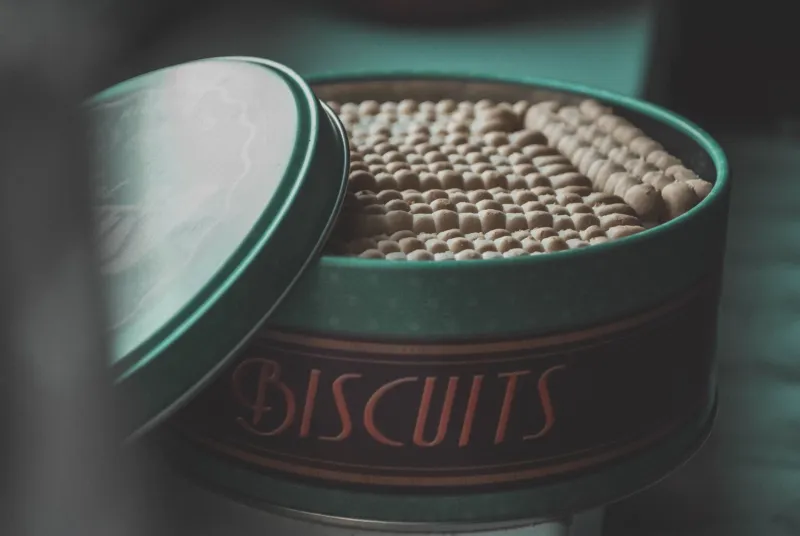
This is why certain sweets become almost ceremonial for older adults. The specific tin of biscuits at Christmas. The particular brand of mint that appears at funerals and family gatherings. The bag of pear drops that your grandmother always had and that you now always buy, even though you're not sure you actually like pear drops that much.
"My dad always had Werther's Originals in his coat pocket," says David, 62, a retired headteacher from Bath. "He's been gone eleven years. I still buy them. I don't even eat most of them. I just like having them there."
What Sweets Tell Us About Ourselves
There's a neat irony in the fact that Britain — a country not always celebrated for its emotional expressiveness — has developed such a rich, layered culture around something as apparently trivial as confectionery. Sweets are how we celebrate and how we console. They're how we welcome people and how we apologise. They're the thing we reach for when we don't quite have the words.
From the first time you pressed your nose against a sweet shop window to the tin you'll eventually keep on your own desk, British confectionery is doing something quietly important. It's marking time. Connecting generations. Giving form to feelings that might otherwise go unspoken.
Not bad for a bag of boiled sweets.