Stripes, Bells and Brass: Why the Sweet Shop Front Is Britain's Most Underrated Architecture
Photo: NemesisAT, CC BY-SA 4.0, via Wikimedia Commons
Stand outside a proper sweet shop for a moment before you go in. Go on — the humbugs aren't going anywhere.
Notice the awning first, probably. Striped, frayed slightly at the corners, in colours that suggest the owner chose them in the 1980s and never saw a reason to change. Then the window: shelves of jars stacked three deep, each one with a hand-written label that curls at the edges. And above the door, if you're lucky, a brass bell that announces every customer like it's the only job it has.
This is shopfront design as a kind of theatre, and it's quietly vanishing.
The Anatomy of a Proper Front
Talk to anyone who's spent decades behind a sweet counter and they'll tell you the shopfront does half the selling. The striped awning isn't just shelter — it's a flag. It says something different happens here, in an age when half the high street is the same beige coffee chain with the same beige signage.
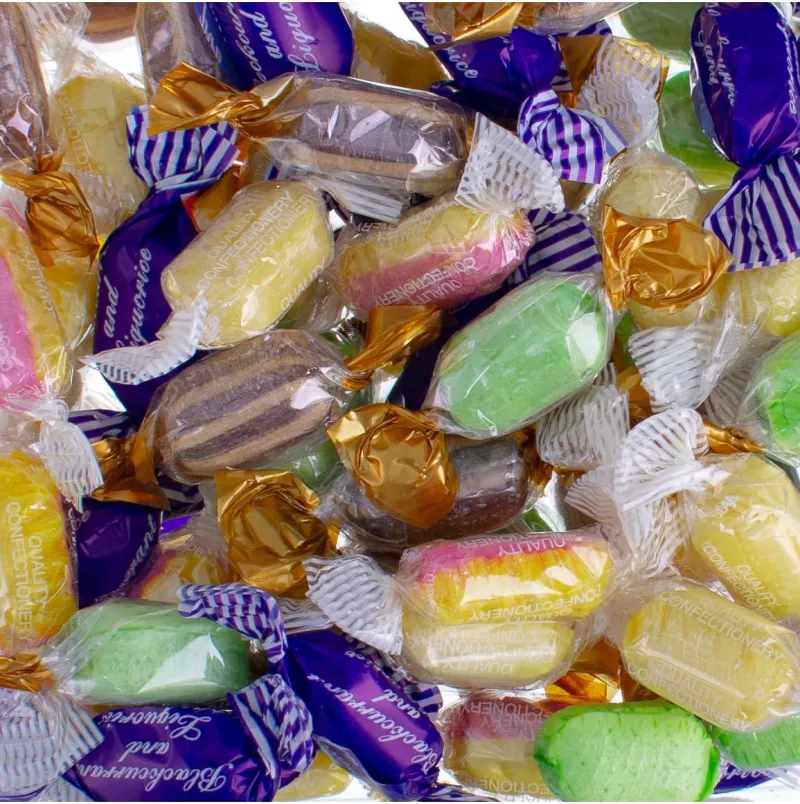
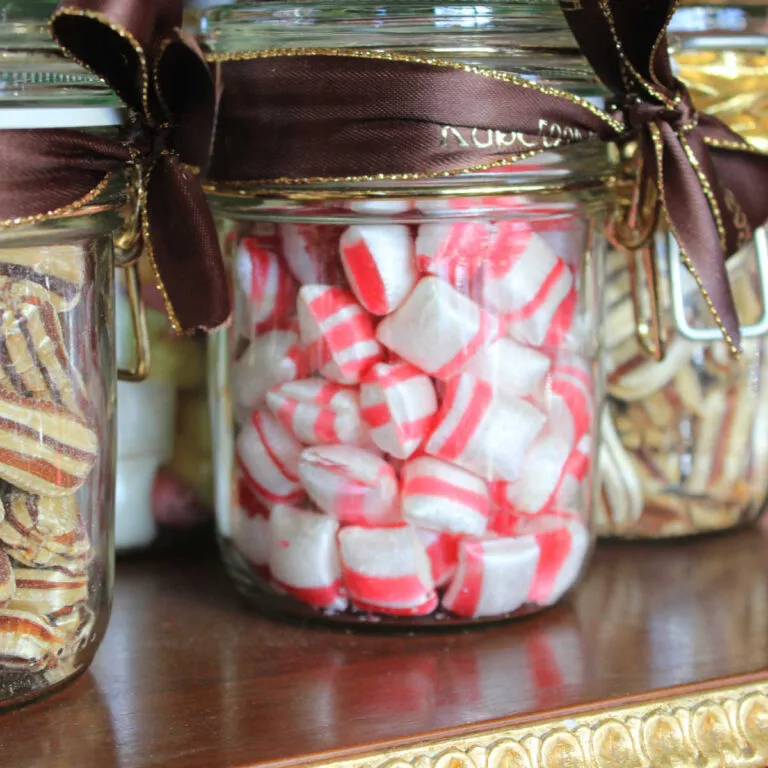
The glass jars matter too. There's a reason sweet shops never switched to plastic: the jar is the product. Boiled sweets catch the light like stained glass. Aniseed balls sit in a jar the way jewels sit in a cabinet. Chain stores figured this out eventually — hence every supermarket now has a 'pick and mix' wall — but they've never quite managed the original's magic, partly because you can't fake fifty years of sticky fingerprints.
And the bell. Oh, the bell. Ask anyone who grew up near a traditional sweet shop what they miss and it's rarely the lemon sherbets. It's the ding as you pushed the door, the sound that meant you'd arrived somewhere.
Fighting the Franchise
The enemies of the traditional shopfront are well documented: rising rents, business rates, the slow homogenisation of every high street from Carlisle to Cornwall. But there's a subtler threat too — the quiet renovation, where a beloved shop changes hands and reopens three weeks later with a laminated menu and LED lighting where the brass used to be.
That's why local campaigns have become surprisingly common. In towns across Britain, residents have petitioned councils to protect original fascias and awnings, and some conservation areas now explicitly recognise 'historic shopfronts' as worth preserving. It's not nostalgia for nostalgia's sake. It's the recognition that a hand-painted sign, once lost, cannot be repainted — the signwriters who did that work mostly aren't with us any more.
What We'd Lose If We Lost Them
A sweet shopfront is a small museum of British life. The awnings record decades of weather. The window displays record every Christmas, every royal jubilee, every summer where the fudge melted slightly in the heat. You can read a shop's history in its paint layers, like tree rings.
So next time you pass one — really pass one, on the way to somewhere else — stop. Look up at the awning. Listen for the bell. And then go in, because the best way to save a shopfront is to buy something from behind it.
We'd suggest the humbugs.