Tasting Notes for a Bag of Rhubarb and Custards: Meet the Young Britons Treating Sweets Like Fine Wine
Somewhere in East London, a group of people in their late twenties are seated around a kitchen table, each with a small glass of water and a series of carefully arranged sweets in front of them. There are notebooks. There are, it must be said, some very earnest expressions. One person is describing the top notes of a Kola Kube. Another is examining the cross-section of a Butter Mintoes with the focus of someone assessing a cut diamond.
This is not a parody. This is Tuesday evening for a growing community of young British confectionery enthusiasts who have decided, with complete seriousness, that traditional sweets deserve the same considered appreciation as fine wine, craft beer, or specialty coffee.
The Connoisseur in the Corner Shop
The comparison to wine culture is one the community makes themselves, and they're aware of how it sounds. "People laugh at first," admits Priya, a 29-year-old product designer from Hackney who runs a confectionery tasting account on Instagram with nearly twelve thousand followers. "But then I get them to actually pay attention to what they're eating — to hold a Sherbet Lemon on their tongue and notice how the flavour develops — and they stop laughing pretty quickly."
The language that's emerged in these circles borrows freely from the wine world. Sweets are assessed for their initial impact, their development on the palate, and their finish. Provenance matters — a Liquorice Allsort from a traditional manufacturer using original recipes is discussed very differently from a supermarket own-brand equivalent. Texture is analysed with some precision: the specific resistance of a well-made toffee, the exact degree of crystallisation in a properly made fondant cream, the ratio of hard shell to soft centre in a Jelly Baby.
This isn't entirely new, of course. Serious confectioners have always talked about their craft in these terms. What's new is that the language has migrated from the production side to the consumption side, driven largely by social media and a generation that has grown up applying connoisseurship frameworks to everything from coffee to trainers.
The Most Coveted Finds
Like any collecting culture, this one has its holy grails — products that have been discontinued, reformulated, or reduced in quality over time, and whose original versions are sought with considerable dedication.
Vintage tins are one area of genuine collector activity. A well-preserved tin of Quality Street or Roses from the 1970s or 80s, particularly with original contents still sealed, can command serious prices among enthusiasts. The appeal is partly aesthetic — the graphic design of mid-century confectionery packaging is genuinely striking — and partly about the possibility of tasting something as it was originally formulated.
Discontinued lines generate particular passion. Sweets that were removed from production — whether for commercial reasons, ingredient unavailability, or regulatory changes — acquire a mythological status among enthusiasts who remember them. Online forums dedicated to British confectionery history are full of detailed, sometimes moving accounts of specific sweets and what they tasted like, written by people who haven't encountered them in twenty or thirty years.
"There's a real oral history element to it," says Marcus, a 31-year-old from Birmingham who moderates one of the larger confectionery collector groups on Reddit. "Older members describe sweets that barely anyone under forty has ever tried, and you get these incredibly detailed flavour memories. It's like food archaeology."
The Social Media Sweet Shelf
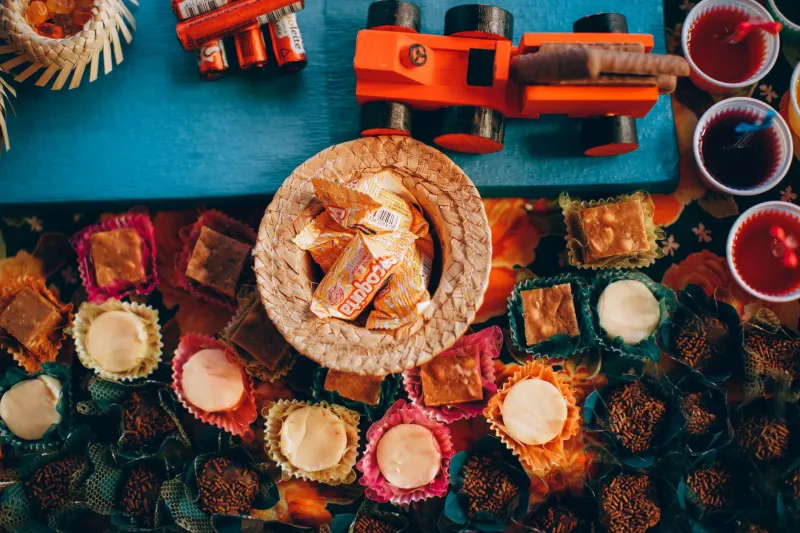
Instagram and TikTok have been central to the growth of this community, and the aesthetic dimension of traditional British confectionery turns out to be surprisingly well-suited to the visual demands of both platforms. The jewel-like colours of a well-arranged pick 'n' mix, the graphic boldness of vintage wrappers, the satisfying cross-sections of cut boiled sweets — these images perform well, and they've introduced traditional confectionery to audiences who might never have encountered it through conventional retail.
Some of the most popular content in this space involves blind tastings — participants trying sweets without seeing the packaging, then attempting to identify maker, era, and flavour profile. Others document the process of sourcing rare or regional sweets, turning what might otherwise be a fairly mundane shopping trip into a kind of confectionery detective story.
For specialist retailers, this community represents both an opportunity and a responsibility. Enthusiasts in this space are knowledgeable and vocal. They notice when recipes change, when portion sizes shrink, or when a manufacturer cuts corners on ingredients. Their reviews — positive and negative — carry genuine weight within the community and beyond it.
Curating a Collection: A Starter Guide
For anyone curious about approaching British confectionery with a more considered eye, the community offers some consistent starting points.
Start with the classics, but buy well. There's a significant quality difference between mass-produced versions of traditional sweets and those made by specialist producers using traditional methods. Sourcing Humbugs, Pear Drops, or Aniseed Balls from a confectioner who still makes them in small batches is the beginning of understanding what these sweets are actually capable of.
Pay attention to texture as well as flavour. Much of what distinguishes a well-made sweet from a mediocre one is textural — the way a toffee gives and pulls, the precise crunch of a properly made barley sugar, the balance between the chewy body and the sugar crust of a Jelly Baby. Training yourself to notice these things transforms the eating experience.
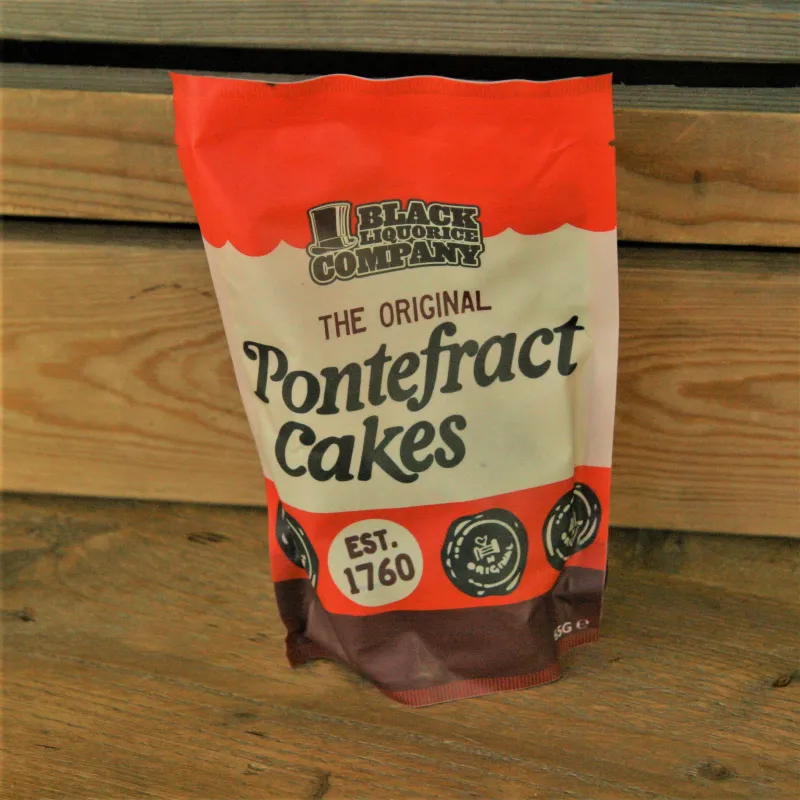
Explore regional variation. British confectionery has genuine regional traditions — the liquorice heritage of Yorkshire, the tablet and tablet-adjacent sweets of Scotland, the particular toffee traditions of Lancashire. Seeking out regional producers is both an education in confectionery history and a reliable way to find things you've never tried.
Document what you eat. The note-taking habit that looks slightly eccentric at first becomes genuinely useful. Memory for flavour is vivid but imprecise; writing down your impressions while eating helps you build a vocabulary and a reference library that makes subsequent tastings more meaningful.
Why It Matters
Beyond the slightly theatrical aspects of the tasting-notes approach, there's something genuinely valuable happening here. Traditional British confectionery is a craft with a long and specific history, and it benefits from having engaged, knowledgeable consumers who care about quality and provenance.
When a twenty-eight-year-old in Manchester pays attention to where her Humbugs come from and notices the difference between a well-made and a poorly-made one, she's participating in a tradition of appreciation that helps keep the craft alive. The economics of small-batch, traditional confectionery production depend on there being customers who value what makes it distinctive.
So if someone at the next table is making notes about their Rhubarb and Custards, perhaps don't roll your eyes. They might be onto something.