Know What You're Buying: A Serious Sweet Lover's Guide to Building a British Confectionery Collection
Wine enthusiasts talk about terroir. Coffee drinkers debate single origins and roast profiles. And somewhere in between, quietly and without nearly enough fanfare, a growing number of people in Britain have started approaching their sweet tin with exactly the same level of care and intention.
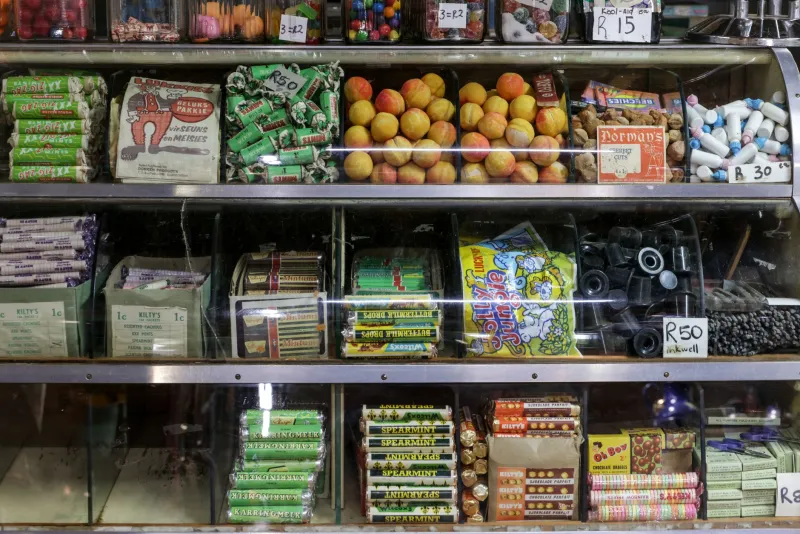
Building a proper British confectionery collection — one that goes beyond a random assortment of impulse purchases — is a genuinely rewarding hobby. It sharpens your palate, connects you to centuries of craft tradition, and gives you something rather wonderful to share with guests who weren't expecting to spend twenty minutes discussing the textural difference between a proper treacle toffee and a mass-produced caramel. Here's how to get started.
Start With Texture, Not Just Flavour
Most people begin with flavour — they know they like mint, or they're partial to something fruity — but seasoned collectors will tell you that texture is where the real conversation starts. British confectionery spans an enormous range: the glass-hard crack of a boiled sweet, the slow pull of a proper toffee, the powdery dissolve of a fondant cream, the satisfying chew of a jelly.
Before you start acquiring with any intention, spend a few weeks paying close attention to how each sweet actually feels in your mouth. Does it soften gradually or snap cleanly? Does it coat the tongue or disappear quickly? These aren't pretentious questions — they're the foundation of understanding what you actually enjoy, and what you might want to seek out more deliberately.
Learn the Difference Between Made and Manufactured
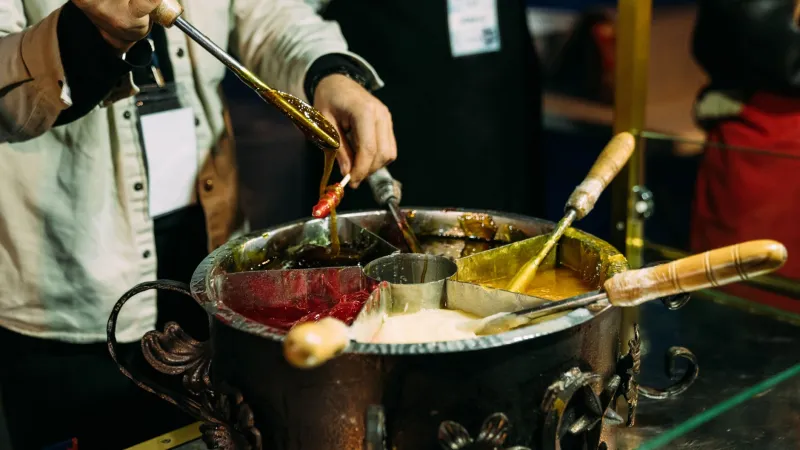
This is perhaps the most important distinction in the whole hobby. A significant portion of the sweets on British shelves — even those sold in charming tins or nostalgic packaging — are manufactured at scale using industrial processes. That's not a moral failing, but it does mean the product is fundamentally different from something made in small batches by a confectioner who's still pulling sugar by hand.
When you're building a collection with any seriousness, seek out makers who can tell you something about their process. Small British confectionery producers — and there are more of them than you might expect, scattered across Yorkshire, the West Midlands, Scotland, and beyond — often work with traditional recipes and minimal machinery. The results taste noticeably different: more complex, sometimes less uniform, and almost always more interesting.
Look for makers who list their ingredients simply and honestly. Glucose syrup, natural flavourings, and a short list of recognisable components are generally a good sign. The longer and more chemical the label, the more likely you're holding something that was never near a copper pan.
Build Around Regional Identity
British confectionery has genuine geography to it, and a thoughtful collection should reflect that. Pontefract cakes from West Yorkshire, Edinburgh rock from Scotland, Kendal Mint Cake from the Lake District, clotted cream fudge from Cornwall — these aren't just novelty regional products. They're expressions of local ingredient traditions, climate, and history.
Organising your collection around regional identity is one of the most satisfying ways to build it. You end up with a kind of edible map of Britain, and each sweet carries a story worth knowing. It also gives you a framework for discovery: once you've worked your way through the obvious regional classics, you start hunting for the lesser-known ones — the niche producers making something genuinely local that hasn't been absorbed into the mainstream.
Understand Flavour Families
Just as a wine collector might think in terms of grape varieties or a whisky enthusiast talks about peat levels, confectionery collectors benefit from understanding flavour families. British sweets tend to cluster around a handful of core profiles:
Anise and liquorice — a tradition running deep through Northern England in particular, from proper black liquorice to the more gentle aniseed ball.
Citrus and sherbet — the bright, acidic end of the spectrum, from lemon sherbets to traditional fruit drops with real tang.
Toffee and caramel — a huge family in itself, ranging from buttery soft caramels to the almost-savoury depth of a dark treacle toffee.
Floral and herbal — violet creams, rose fondants, peppermint — sweets that draw on botanical traditions and feel distinctly old-fashioned in the best possible sense.
Fruit — not the artificial fruit-flavoured variety, but sweets that use real fruit or genuinely good natural flavourings to create something that tastes of the actual thing.
Building a collection that includes representatives from each of these families gives you range, and helps you understand how the whole tradition fits together.
Seek Out the Makers Worth Knowing
Part of the pleasure of any serious collecting hobby is the research. In confectionery terms, that means hunting down the independent makers, the small shops still operating traditional methods, and the occasional artisan who's revived a recipe that had all but disappeared.
Start by looking beyond the obvious. The internet has made it far easier to find small-batch producers who aren't stocked in major retailers — many sell direct, often with very reasonable minimum orders. Farmers' markets, independent delis, and specialist sweet shops are also worth your time. When you find a maker whose work genuinely excites you, it's worth getting in touch. Most small confectioners are delighted to talk about what they do, and you'll often learn things about the product — and the craft — that no label could tell you.
Store and Present With a Bit of Thought
A collection worth building is a collection worth looking after. Boiled sweets and hard confectionery are generally robust, but they're not immune to humidity, which can cause them to become sticky and unpleasant over time. Fudge and toffees need to be kept cool and ideally airtight. Chocolate-enrobed sweets want to be away from strong odours and dramatic temperature swings.
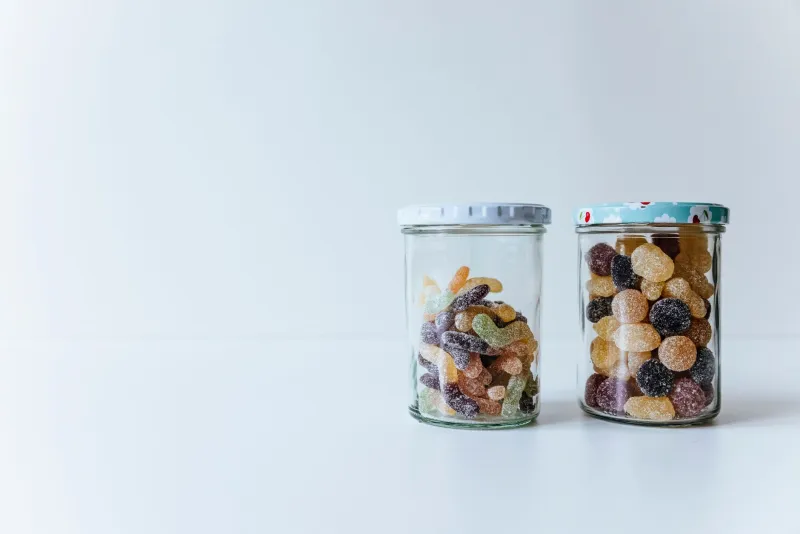
Presentation matters too. There's real pleasure in a well-ordered sweet tin, in glass jars that let the colours show, in a selection laid out for guests with a bit of care. It doesn't need to be precious — this is sweets, not fine art — but approaching it with a degree of intention makes the whole thing more enjoyable.
The Point of All This
There's a version of this hobby that's just about accumulation — collecting for the sake of having things. But the more interesting version is about developing a genuine palate and a real understanding of what British confectionery actually is: a craft tradition with centuries of history, regional variation, and an enormous amount of skill behind the best of it.
At Piccadilly Sweets, we think there's something worth taking seriously here. Not in a stuffy way — sweets are supposed to be fun — but in the sense that knowing what you're eating makes it taste better. And the more you know, the more you want to find out. That's the mark of a hobby worth having.