Back on the High Street: The Independent Sweet Shop Renaissance Sweeping Britain
A Different Kind of Comeback Story
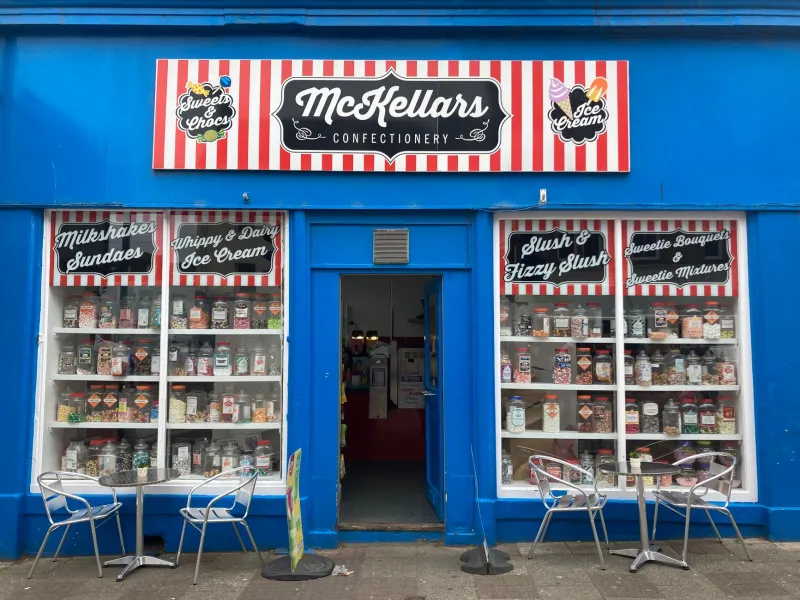
For years, the narrative around British high streets has been relentlessly gloomy. Chain closures, boarded-up windows, the slow creep of charity shops filling the gaps left by everything else. But walk through the centre of Harrogate, Ludlow, or even a tucked-away corner of Bristol these days, and you might just spot something that stops you in your tracks: a proper sweet shop, jars gleaming in the window, a handwritten chalkboard listing the week's specials, a small queue of people who look genuinely pleased to be there.
The independent confectionery revival is real, it's gathering pace, and it's more interesting than a simple nostalgia trip.
The Shopkeepers Leading the Charge
Take Emma Hartley, who opened her shop in a former estate agent's premises in Hebden Bridge three years ago. She'd spent fifteen years working in brand marketing before deciding she'd rather spend her days surrounded by pear drops and cola bottles than PowerPoint decks.
"Everyone told me I was mad," she says, laughing. "A sweet shop? In this economy? But I genuinely believed there was an appetite for something real — something that wasn't a supermarket meal deal or a click-and-collect parcel."
She was right. Within six months, her Saturday queue was stretching out the door. She now employs three part-time staff and ships nationwide.
Her experience isn't unusual. Across Britain, a wave of new independent confectioners has opened since 2021 — many of them founded by people pivoting away from corporate careers or redundancy packages, drawn by a combination of genuine passion and a shrewder business instinct than the cynics gave them credit for.
What's Actually Driving the Footfall
It would be easy to chalk this all up to nostalgia, and nostalgia is certainly part of it. There's something deeply comforting about a shop that smells of sherbet and liquorice, where the person behind the counter knows the difference between a rhubarb and custard and a strawberry and cream without having to check a label.
But the reasons people are coming through the door — and crucially, coming back — are more layered than simple sentiment.
Social media has played a significant role. The visual appeal of a well-stocked traditional sweet shop is, it turns out, enormously photogenic. Floor-to-ceiling shelves of glass jars, the ritual of the scoop and the paper bag, the satisfying weight of a quarter — these images perform exceptionally well on Instagram and TikTok, drawing in younger customers who might never have set foot in a sweet shop before discovering one through their phone screen.
Shop owners report that a meaningful chunk of their new customers are in their twenties, visiting for the first time but instantly hooked. "They come in because they've seen it online," says one Leeds-based confectioner who asked not to be named, "and they stay because it's just a genuinely lovely experience. You can't replicate that on a website."
There's also a growing appreciation for the craft element. As British consumers have become more interested in provenance — where their food comes from, how it's made — artisanal sweet makers who produce small batches using traditional methods have found a receptive audience. People who spend a tenner on a sourdough loaf aren't flinching at the price of hand-pulled rock or hand-dipped chocolate truffles.
The Challenges Are Real, Too
None of this is to suggest it's straightforward. Commercial rents remain punishing in many town centres, and the economics of a sweet shop — high labour, relatively low margins on individual items — require careful management. Several new openings have struggled past the eighteen-month mark.
The shops that seem to be thriving tend to share a few characteristics. They've diversified their revenue streams: online shops, corporate gifting, wedding favours, seasonal hampers. They've built genuine community presence, hosting children's parties or school visits. And they've been smart about their social media without letting it overwhelm the authenticity that drew people in.
"We're not trying to be a content factory," says Emma Hartley. "We just share what we're actually doing — new stock arriving, a batch of fudge we've made, a customer who came in with their grandkids. People respond to that because it's real."
Why the Timing Feels Right
There's a broader cultural shift happening here that the sweet shop revival both reflects and feeds into. After years of frictionless, frictionless convenience — next-day delivery, self-checkout, everything available everywhere all the time — a growing number of people are actively seeking out experiences that feel more considered and more personal.
A visit to a well-run independent sweet shop delivers something that an online order simply cannot: the smell, the conversation, the slight indecision over whether to go with the rhubarb and custard or the butterscotch, the satisfaction of carrying home a paper bag that you chose yourself. It's a small pleasure, but it's a genuine one.
At Piccadilly Sweets, we've always believed that traditional British confectionery is worth preserving and celebrating — not as a museum piece, but as something alive and relevant. The fact that a new generation of shopkeepers is apparently reaching the same conclusion is, frankly, rather heartening.
The View From Here
The British high street has been written off before. It has a habit, when you look closely, of quietly reinventing itself in ways that the doom-mongers didn't predict. The return of the independent sweet shop won't save every empty unit in every struggling town, but it's a reminder that people still want places that feel like somewhere, run by someone who actually cares.
If you haven't visited your local independent confectioner recently — or if you've never stepped inside one — we'd gently suggest that now is rather a good time to put that right. Take a child if you have one to hand. Watch their face when they see the jars.
It's a very specific kind of magic, and it's back.