What to Drink with That: The Unexpected Joy of Pairing British Sweets with Your Favourite Brew
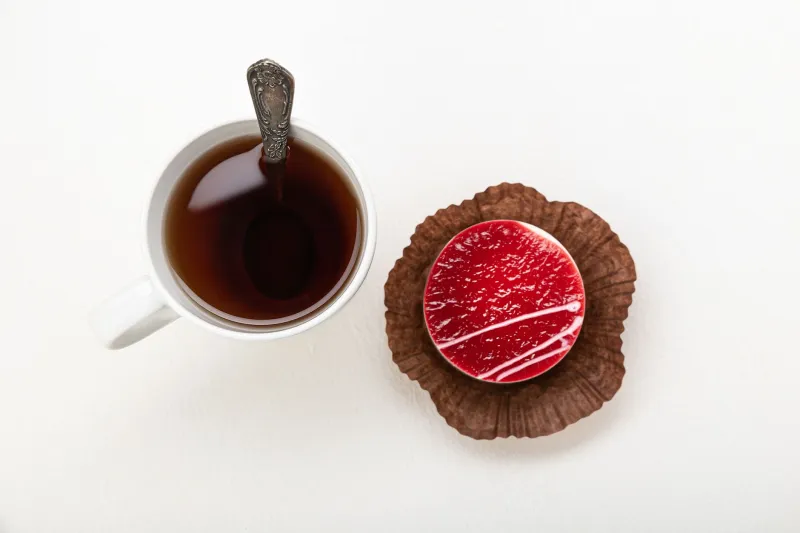
There's a moment — you'll know it — when you're nursing a cup of tea, hand hovering over a bag of sweets, wondering which one to reach for first. Most of us go on instinct. A sherbet lemon here, a rhubarb and custard there. But what if that instinct could be sharpened into something a little more deliberate? What if the right sweet with the right drink could actually make both taste better?
It sounds a touch grand for something involving a paper bag and a kettle, but bear with us. The world of food pairing has expanded well beyond the sommelier's trolley, and British confectionery — with its wild range of flavours, textures, and intensities — turns out to be a surprisingly rich playground for this sort of thing.
Why Pairing Actually Matters (Even with Sweets)
The basic logic behind any food and drink pairing is contrast or complement. Either you find flavours that echo each other and deepen the experience, or you find ones that push against each other in a way that makes both more interesting. Bitter coffee against sweet caramel. Floral tea against sharp citrus. The principles don't change just because one half of the equation came out of a quarter-bag.
British confectionery has a particular advantage here: the flavours are often bold and unapologetic. Aniseed balls don't whisper. Clove rock doesn't suggest itself gently. These are sweets with character, and that makes them genuinely interesting partners for drinks that have their own strong personalities.
Tea: The Classic Starting Point
Let's begin where Britain always does — with tea.
Earl Grey and mint humbugs are perhaps the most natural pairing in this whole conversation. The bergamot in Earl Grey carries a citrusy, slightly floral quality that plays beautifully against the cool menthol of a humbug. Neither overwhelms the other. The tea softens the mint's edge; the mint makes the bergamot sing a little louder. It's the kind of combination that feels like it was always meant to be, even if nobody ever wrote it down.
Assam or English Breakfast with butterscotch is a different kind of pleasure — warmer, richer, more indulgent. A strong breakfast tea has enough tannin to cut through the sweetness of a butterscotch disc, and the caramel notes in both start to harmonise in a way that's genuinely comforting. This is a Sunday afternoon combination, no question.
For something a little lighter, green tea with lemon sherbets works a treat. The tartness of the sherbet mirrors the grassy brightness of a good green tea without competing with it. It's a pairing that feels almost refreshing, which isn't a word you'd normally reach for when describing British sweets.
Coffee: Where Things Get Interesting
Coffee and confectionery is less charted territory in Britain, but it rewards a bit of exploration.
The classic pairing principle for coffee is finding something that either cuts through its bitterness or leans into it. Aniseed balls alongside a strong espresso fall firmly into the second camp. The liquorice-adjacent intensity of an aniseed ball doesn't flinch at bitterness — it meets it head-on, and the result is something almost medicinal in the best possible way. It's the kind of pairing that wakes you up in more ways than one.
Violet creams with a flat white is a more delicate affair. The floral, slightly powdery quality of a violet cream is a natural companion for milk-softened espresso — the dairy rounds off any harshness, and the violet lifts the whole thing into something a bit unexpected. Think of it as a more interesting version of a flavoured coffee syrup, except it's a proper sweet.
For those who prefer their coffee on the lighter, more fruity end — a washed Ethiopian single origin, say — pear drops make a surprisingly coherent match. The ester-heavy sweetness of a pear drop echoes some of the tropical and stone-fruit notes you get in lighter roasts. It sounds like a stretch on paper; it really isn't in practice.
Cocktails and Spirits: The Evening Shift
This is where the pairing conversation opens up into something genuinely exciting. British sweets and spirits have more in common than you might think — both have strong regional traditions, both often draw on botanicals and natural flavourings, and both reward a bit of patience.
Treacle toffee with a peaty Scotch whisky is a combination that practically invented itself. The dark, slightly bitter caramel of a good treacle toffee mirrors the smoky sweetness of an Islay malt in a way that feels almost poetic. The toffee's richness softens the whisky's intensity; the whisky gives the toffee a backbone it doesn't always have on its own. This is a fireside pairing if ever there was one.
Liquorice allsorts alongside a negroni might raise an eyebrow, but think about it: the botanical bitterness of Campari, the herbal depth of sweet vermouth, and the anise notes of liquorice are all operating in the same flavour register. It's a bold combination, but it holds together. The allsorts' varying textures — the coconut layers, the jelly pieces — also mean each bite gives you something slightly different to work with.
For a lighter evening option, rhubarb and custard sweets with a gin and tonic is a natural fit. Many contemporary British gins already carry rhubarb notes, and the sweet's tart-creamy contrast mirrors the citrus-bitter balance of a good G&T. Use a floral tonic and you've got something that feels almost like a considered cocktail in its own right.
A Note on Texture
It's worth mentioning that texture plays a role here too. Hard-boiled sweets, which dissolve slowly, tend to work better alongside drinks you're sipping over time — a pot of tea, a long cocktail. Chews and toffees, which demand more attention, pair better with something you can set down between bites. It sounds obvious once you say it, but it does make a difference to how the whole experience flows.
Where to Start
If you've never thought about this before, the easiest entry point is your existing tea habit. Next time you put the kettle on, have a rummage through whatever sweets you've got and try a couple of deliberate combinations rather than just grabbing whatever's nearest. You might be surprised how much a considered pairing changes the experience of both.
The beauty of British confectionery is that it's never been precious. It's always been about pleasure, about sharing, about the small everyday moments that add up to something. Adding a bit of thought to which sweet goes with which drink doesn't change any of that — it just makes the moment last a little longer.